You’ve got hungry people and only one oven slot. You want casserole recipes that feed everyone, taste great reheated, and don’t leave you washing a sink full of pans. You’re in the right place.
This guide shows how to turn pantry staples into crowd-pleasing casseroles—think cheesy lasagna, a Mexican chicken casserole, or a veggie-packed bake—using simple steps, time-saving shortcuts, and clear oven cues. I use a 9×13 baking dish for predictable results and line it with parchment paper so everything lifts out cleanly.
Read on for prep tricks, assembly tips that prevent sogginess, exact bake times, and storage advice so your casserole recipes work every time.
Preparing Your Ingredients
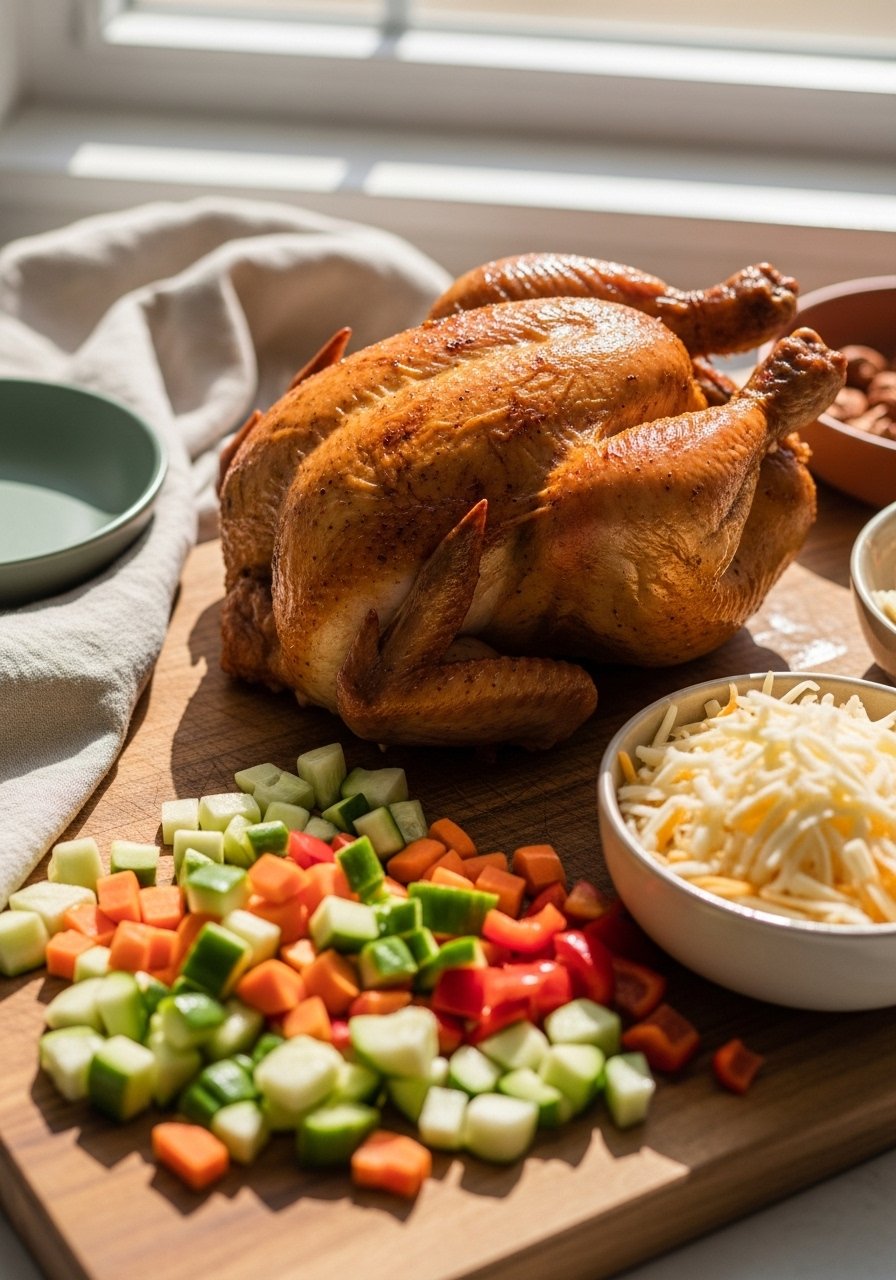
Get organized before you heat the oven—this saves time and reduces mistakes with one-pan casseroles that feed a crowd.
- Prep proteins: shred one rotisserie chicken or brown 1–1.5 lb ground beef/turkey ahead.
- Chop veggies into uniform pieces so they cook evenly.
- Portion dairy: 2 cups shredded cheddar or 1½ cups crumbled feta for Greek-style bakes.
Helpful products:
- Use glass meal prep bowls to hold mise en place.
- Keep a sharp chef's knife handy for fast, safe prep.
Quick tip: If feeding picky eaters, hide finely grated zucchini or spinach in the sauce—casserole recipes that hide veggies still get eaten.
Mixing & Assembly Tricks for Even Baking
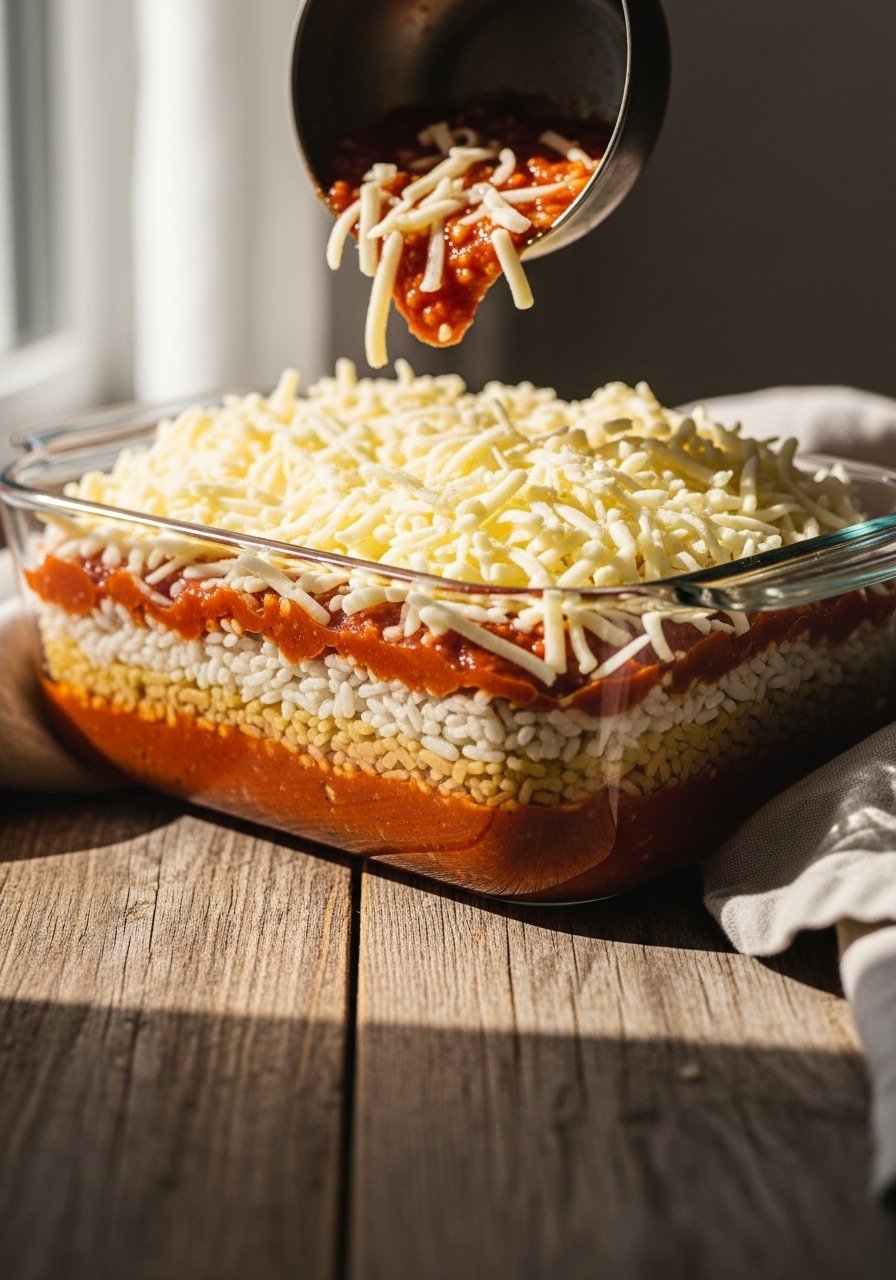
How you layer matters. Aim for even moisture and distribution so the center cooks as well as the edges.
- Spread a thin sauce layer first so bottom carbs don’t stick.
- Add pasta or rice next, then protein and veggies.
- Finish with a cheese layer and a light cracker or breadcrumb topping.
Pro measurements and tools:
- For a 9×13 dish: 12 oz pasta, 3 cups sauce, 2 cups cooked protein, 1½–2 cups cheese.
- Smooth cheese and sauce with an offset spatula so the top browns evenly.
- For a crunchy top, crush Ritz-style crackers or use panko breadcrumbs tossed with a tablespoon of olive oil.
Pro trick: If using frozen pierogi or vegetables, thaw and pat dry or they’ll make the bake watery.
Oven Time & Getting Perfect Texture
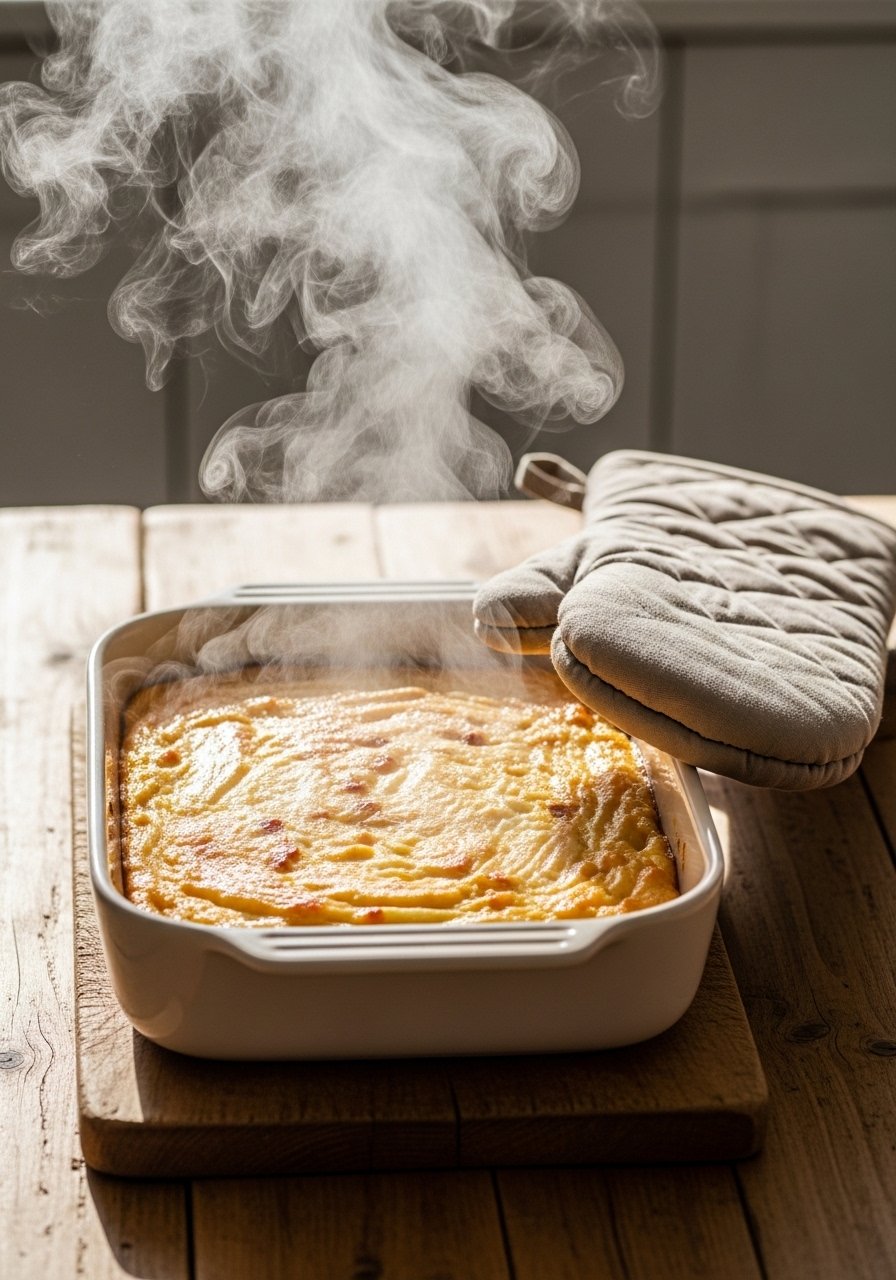
Most casseroles bake at 350°F. Use these benchmarks:
- Cover and bake: 25–35 minutes for assembled cold-from-fridge casseroles; 30–45 minutes if starting from room temperature.
- Uncover and brown: 5–12 minutes at the end to crisp the top.
- For meat: check that chicken reaches 165°F; casseroles with beef/pork are fine at 160°F internal.
Products that help:
- Check doneness with an instant-read thermometer.
- Keep dishes from burning with a sheet of aluminum foil tented over the top.
- Let casseroles rest 10–15 minutes after baking; use a wire cooling rack so bottoms don’t steam.
Troubleshooting: If the center is still too wet, bake uncovered at 375°F for 5–10 minutes and recheck temperature.
Make-Ahead, Storage & Reheating
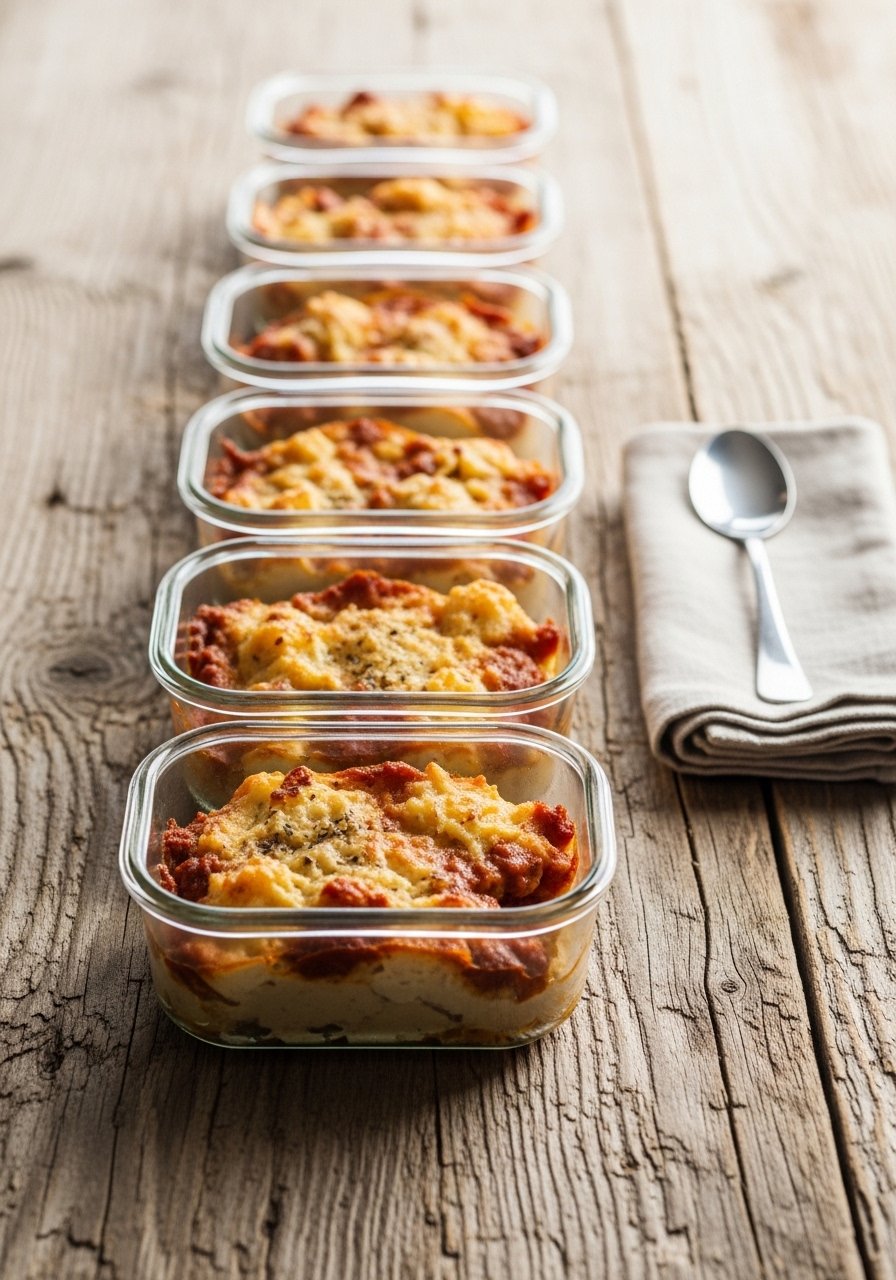
Casserole recipes shine when made ahead. Assemble the night before, refrigerate covered, then bake 35–45 minutes the next day.
- To freeze: cool completely, portion into single servings, and freeze flat inside labeled freezer bags.
- For fridge storage: keep in airtight glass containers up to 4 days.
- Reheat covered at 350°F until piping hot, about 20–30 minutes for large portions, 10–15 minutes for single servings.
Quick hacks:
- Crisp topping after reheating by popping under the broiler for 1–2 minutes (watch closely).
- Freeze-and-bake option: thaw overnight in fridge, then bake covered at 350°F.
Save time: prep components (sauce, cooked rice, shredded protein) in advance and assemble when ready.
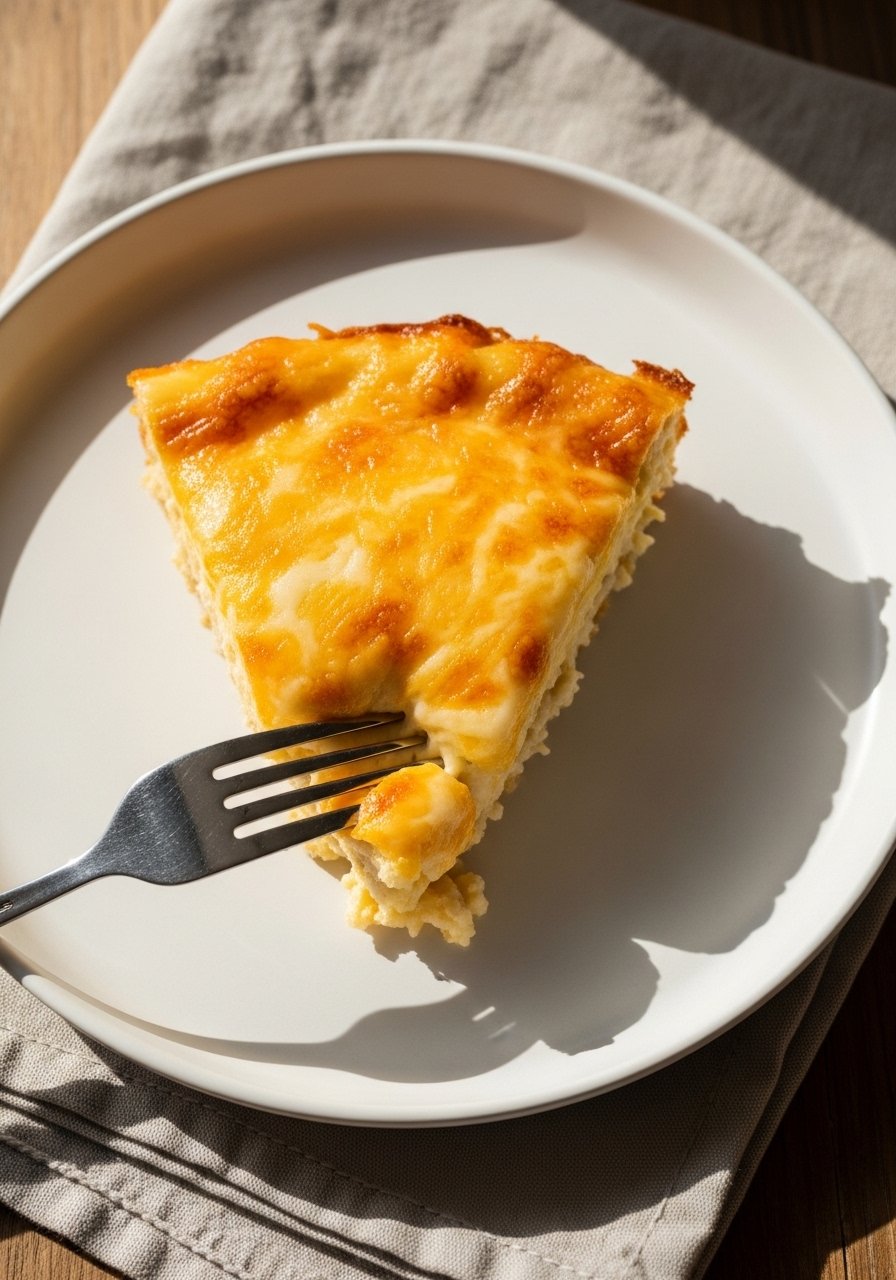
Once you try these approaches, casserole recipes will be your reliable weeknight and potluck solution. Pick a favorite—Mexican chicken casserole, creamy chicken and wild rice, or a meatless black bean bake—stash extras in airtight glass containers, and pin this guide for later. Which casserole are you making first?