You know the problem: you end up with a bowl that looks pretty but tastes flat or feels heavy. According to a 2024 Food Network survey, about 68% of home cooks say they struggle to balance flavors and textures in weeknight dinners. If you want to learn how to make dinner bowls that feel balanced — with crunchy, creamy, bright, and savory elements — this guide gives you a simple, repeatable method you can use tonight.
The secret is planning a flavor map and using the right pantry upgrades. Start with a digital kitchen scale for consistent portions and keep an instant-read thermometer handy for proteins (target 165°F for chicken). Read on to learn how to assemble bowls that balance taste, texture, and color every time.
Preparing Your Ingredients: build the flavor trio
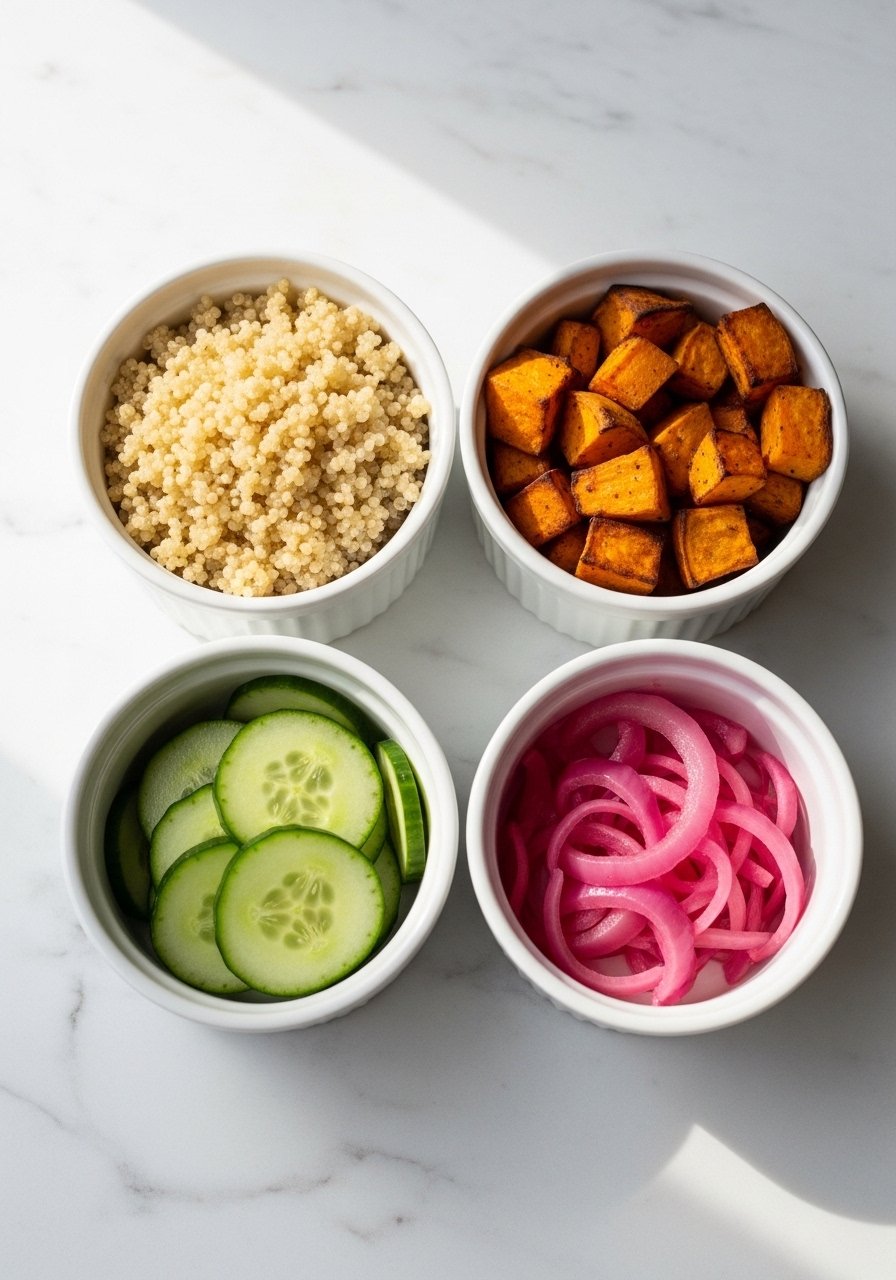
Start by choosing one item from each of these groups — starch, protein, vegetable, sauce — so your bowl hits carbs, protein, fat, and acid.
- Starch options (quantities): 1/2 cup cooked rice or quinoa per bowl (quinoa: 1:2 quinoa to water, simmer 15 minutes).
- Protein ideas: 4–6 oz roasted chicken, pan-seared tofu, or a cup of spiced chickpeas.
- Veggies: mix a warm roasted item (e.g., sweet potato) with a fresh green (e.g., baby spinach).
- Sauce/dressing: a bright, tangy dressing and a creamy binder.
Prep tips:
- Roast root veggies at 425°F for 20–25 minutes until caramelized and tender.
- Rinse quinoa until water runs clear for a fluffier result.
- Make a quick pickle (thinly sliced red onion, 1/4 cup rice vinegar, 1 tbsp sugar, pinch of salt) — it takes 15 minutes and adds needed acid.
Product nudges: use a rice cooker to get perfect grains without babysitting: rice cooker. For fast batching, prep and store components in glass meal prep bowls.
The Cooking Technique: contrast hot and cool
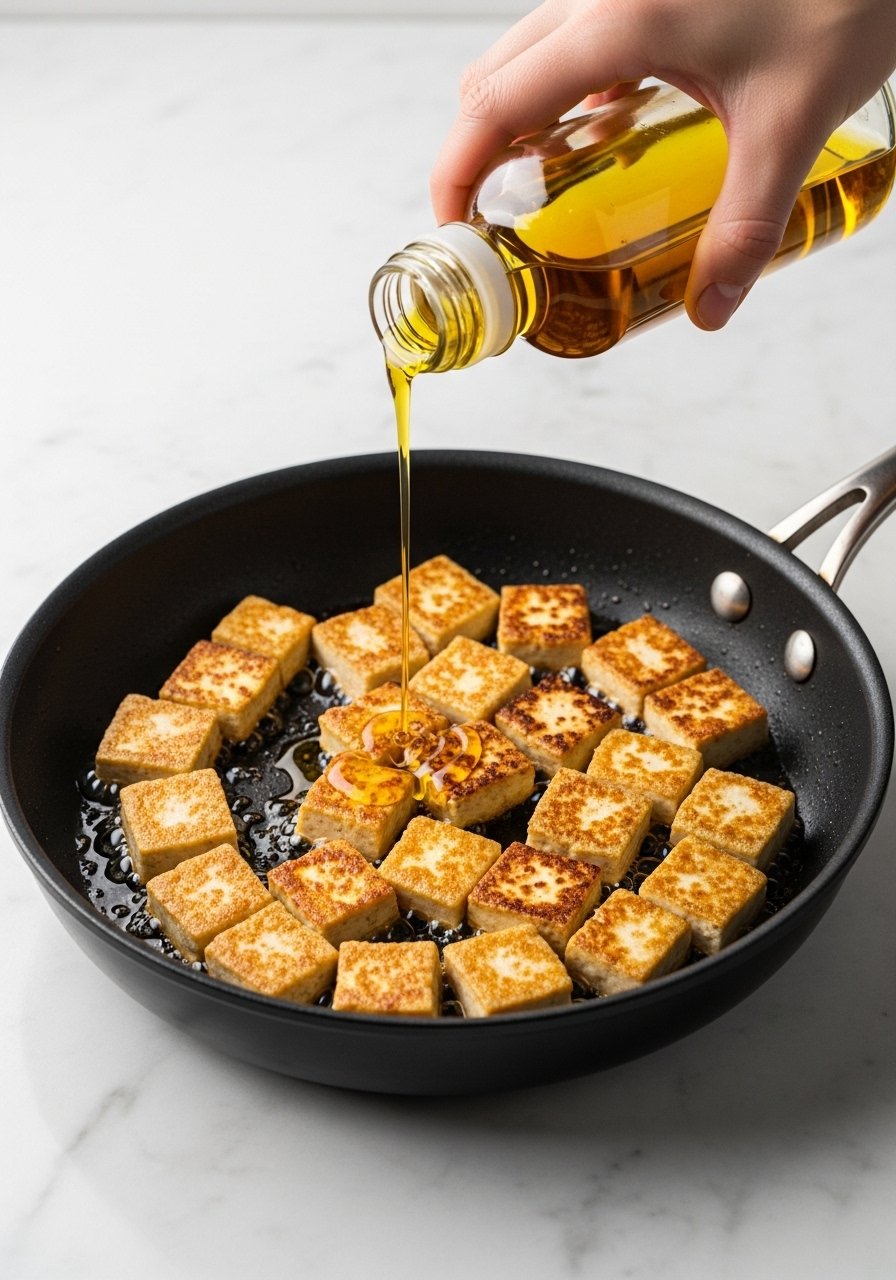
Aim for temperature and texture contrast: a warm, crisp element plus a cool, soft one.
- Sear or roast your protein for crispy golden edges: high heat, short time. For tofu, press for 20 minutes and sear in a hot pan with 1–2 tbsp avocado oil.
- Roast veggies until they have caramelized edges — that adds savory depth.
- Toss a handful of greens with lemon or a splash of rice vinegar to make them bright and tender.
Flavor boosters (pantry picks):
- A drizzle of toasted sesame oil adds nutty aroma.
- Stirring in a spoonful of gochujang paste to a sauce gives sweet-spicy depth.
- A pinch of smoked paprika brings color and subtle smoke.
Quick technique checklist:
- High heat, short sear for proteins.
- Roast root veg at high temps for caramelization.
- Finish with a splash of acid and fat for balance.
Getting the Perfect Texture and Doneness (visual cues & quick tests)
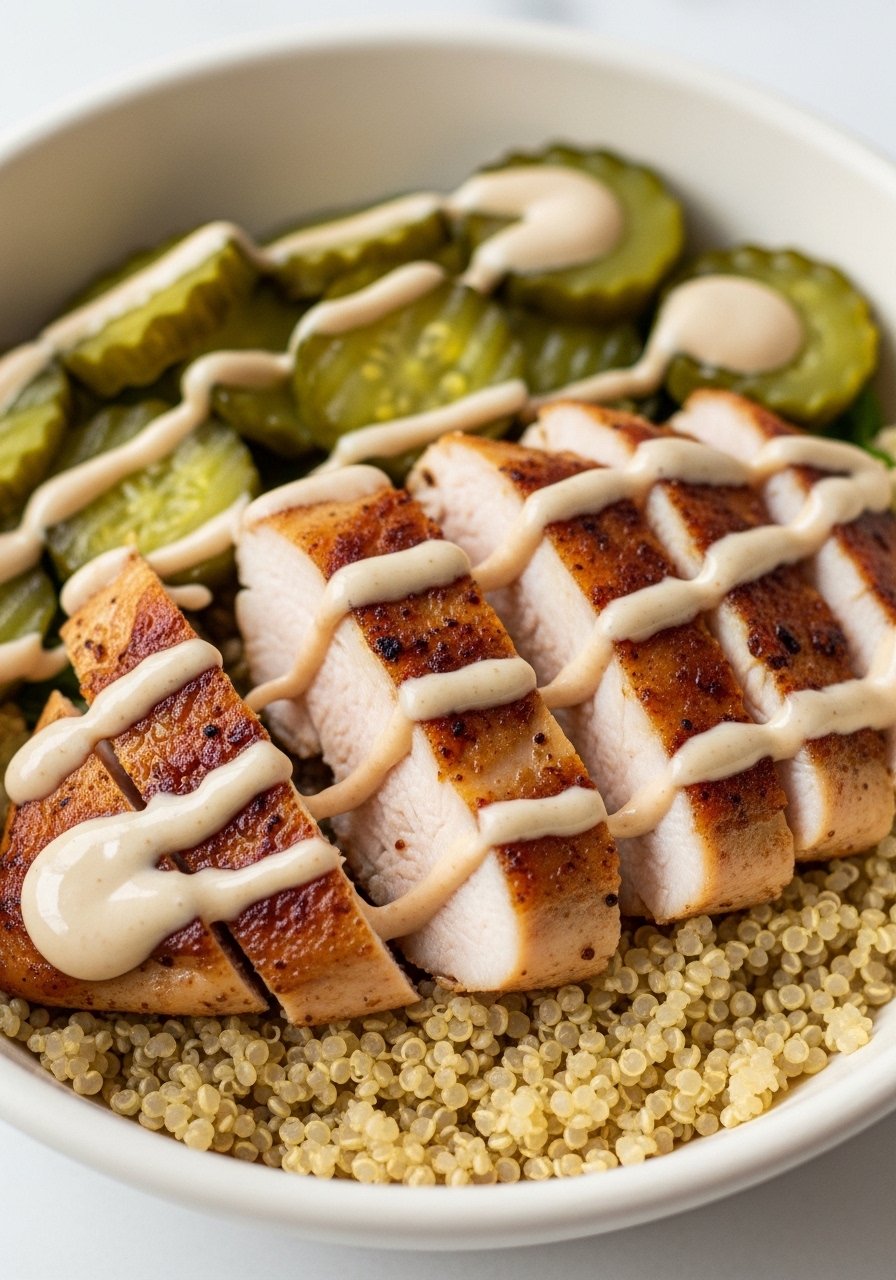
You don't always need a thermometer, but when cooking chicken or pork, check for 165°F. For visual cues:
- Proteins: look for crispy golden edges and clear juices in chicken.
- Grains: quinoa should be fluffy with a tiny white germ ring visible.
- Veggies: roasted edges should be slightly charred but not burnt.
Substitutions:
- No quinoa? Use couscous or bulgur (same quantity).
- Swap tahini with Greek yogurt for a tangy creamy finish.
Flavor-building tip (unique insight): always include one pickled element, one roasted element, and one fresh element in each bowl. That triple contrast is often missing from competitor recipes and is what makes a bowl feel balanced.
Pantry links: add a creamy binder like tahini and a bottle of quality avocado oil for high-heat searing.
Finishing Touches and Serving: small details, big impact
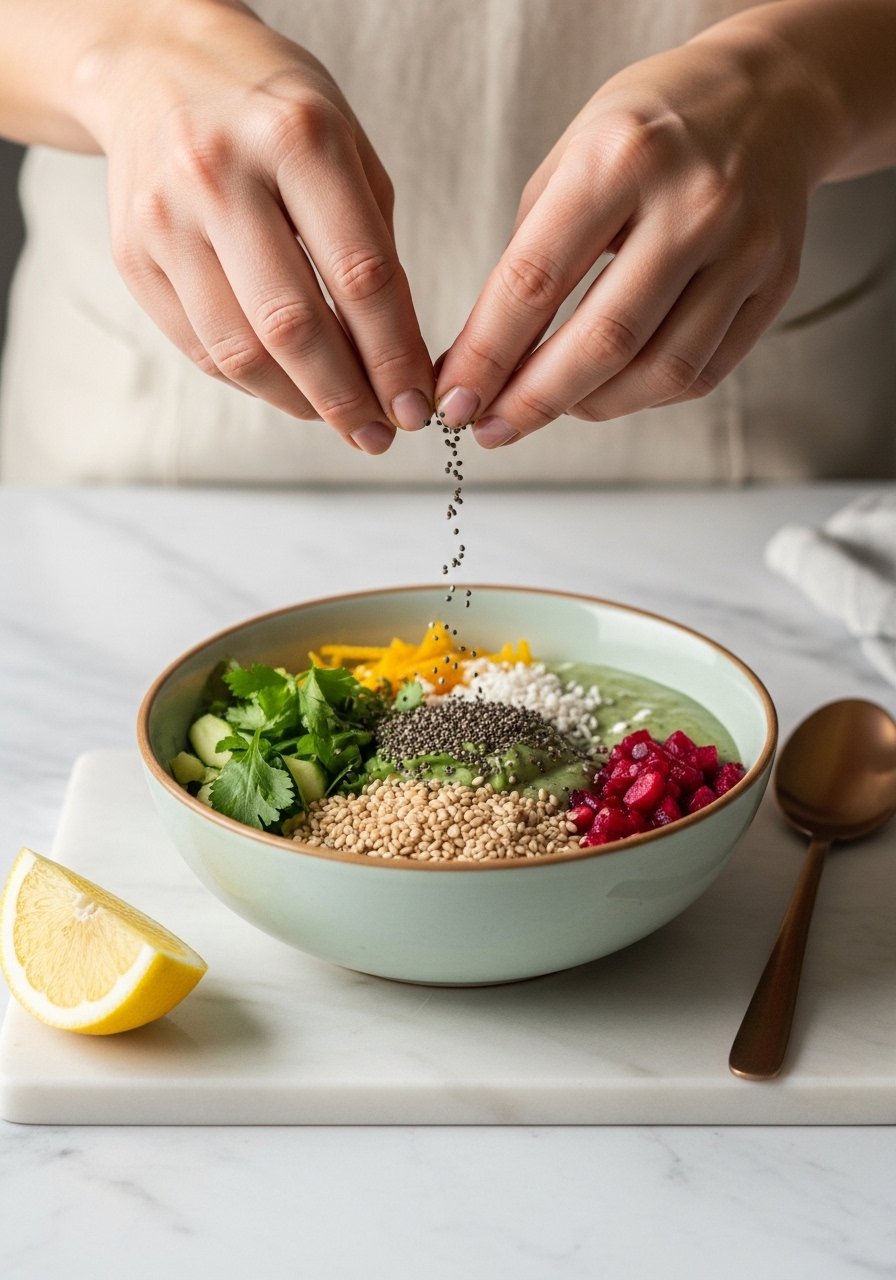
Finish with texture and bright flavor:
- Sprinkle toasted seeds (try chia seeds or sesame) for crunch.
- Drizzle a bright sauce — lemon-tahini or gochujang-yogurt — sparingly.
- Add fresh herbs and a squeeze of citrus to brighten the entire bowl.
Storage and make-ahead:
- Store components separately for up to 4 days (grains, roasted veg, protein).
- Assemble within 24 hours for best texture; keep dressings in a sealed jar.
Presentation tips:
- Layer: grains first, then protein, then veg, then sauce.
- Use color contrast (deep greens vs. orange roasted veg) for pin-worthy photos.
Final product suggestions: stock your pantry with a jar of gochujang and a tin of smoked paprika — they’re inexpensive flavor multipliers.
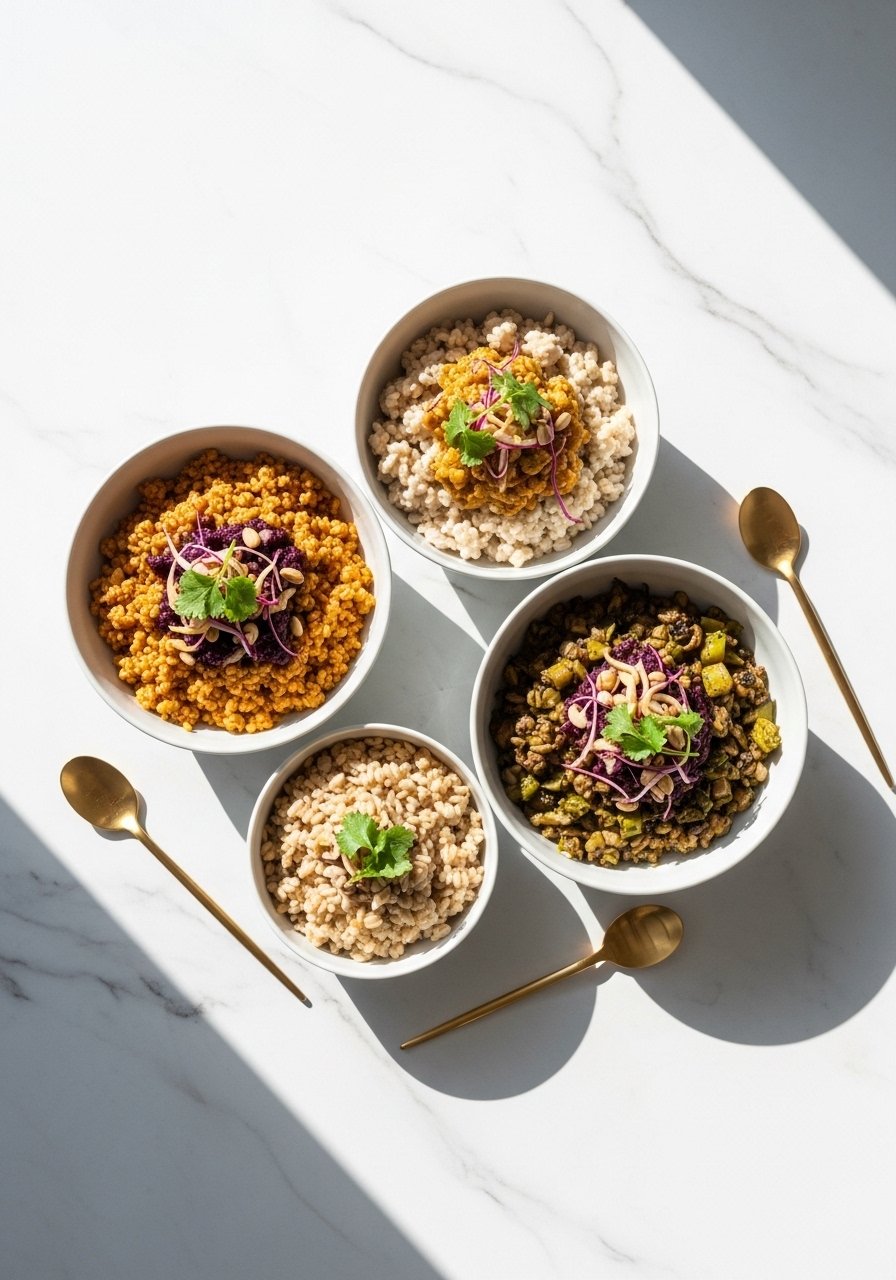
You just learned a repeatable method for how to make dinner bowls that feel balanced: plan your flavor trio, cook with contrast, check visual doneness, and finish with acid and texture. Try the pickled element + roasted element + fresh element trick tonight and see the difference.
Save this guide for your next weeknight meal and pin it for later. Which flavor trio will you try first — spicy-sweet, lemon-herb, or miso-sesame? Grab a jar of tahini or a bottle of toasted sesame oil and let’s make dinner bowls that actually feel balanced.