You want to cook dinner for weight loss that feels satisfying — not a sad salad or endless calorie math. The biggest barrier people face is flavorless meals that leave them hungry, and that’s fixable. According to a 2024 Food Network survey, around 60% of home cooks say flavorful dinners help them stick to a weight-loss plan.
The secret is portion control, high-protein building blocks, and texture stacking so each bite feels full. I use a digital kitchen scale for consistent portions and a 10-inch cast iron skillet (Lodge-style) for fast, crispy sears that lock in flavor.
Read on to learn step-by-step how to prep, cook, and finish a dinner for weight loss that feels satisfying — with swaps, storage tips, and pantry links so you can make it tonight.
Preparing Your Ingredients (portion control + fast prep)
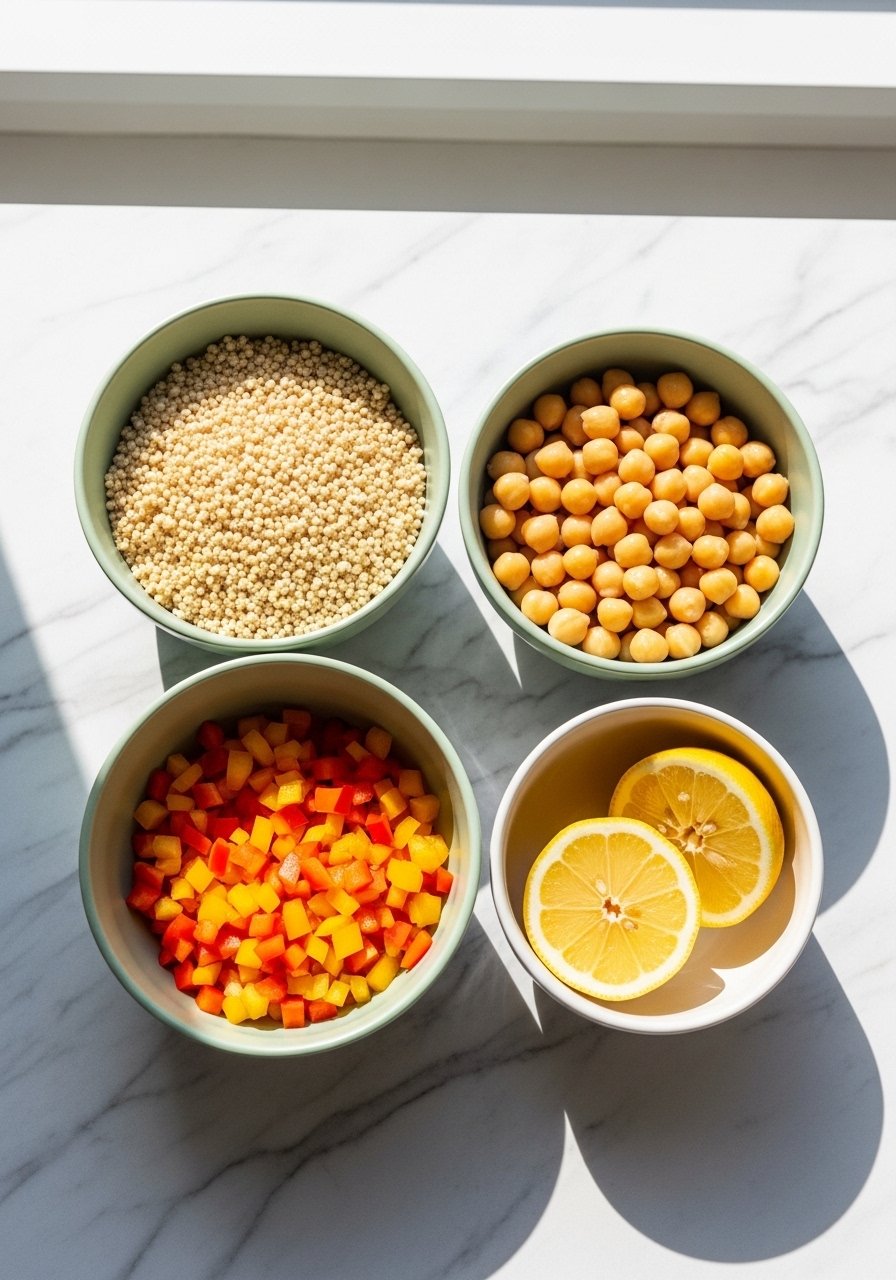
Start by building a balanced plate: 4 oz cooked lean protein (fish, chicken, or tofu), 1/2 cup cooked whole grain (quinoa), and 2 cups non-starchy vegetables. This ratio fills you without excess calories.
- Measure grains and proteins with a digital kitchen scale so portions stay consistent.
- Prep quick pantry players: rinse a can of canned chickpeas and toast them for crunch.
- Cook quinoa ahead: a cup dry makes about three servings. Grab budget-friendly quinoa for versatile bowls.
Quick swaps:
- No quinoa? Use brown rice or cauliflower rice.
- Short on time? Use pre-washed salad greens and canned beans.
Addressing the pain point of time: do a 15-minute chop session and stash ingredients in glass prep bowls to speed weeknight cooking.
The Cooking Technique (sear + roast for flavor and satiety)
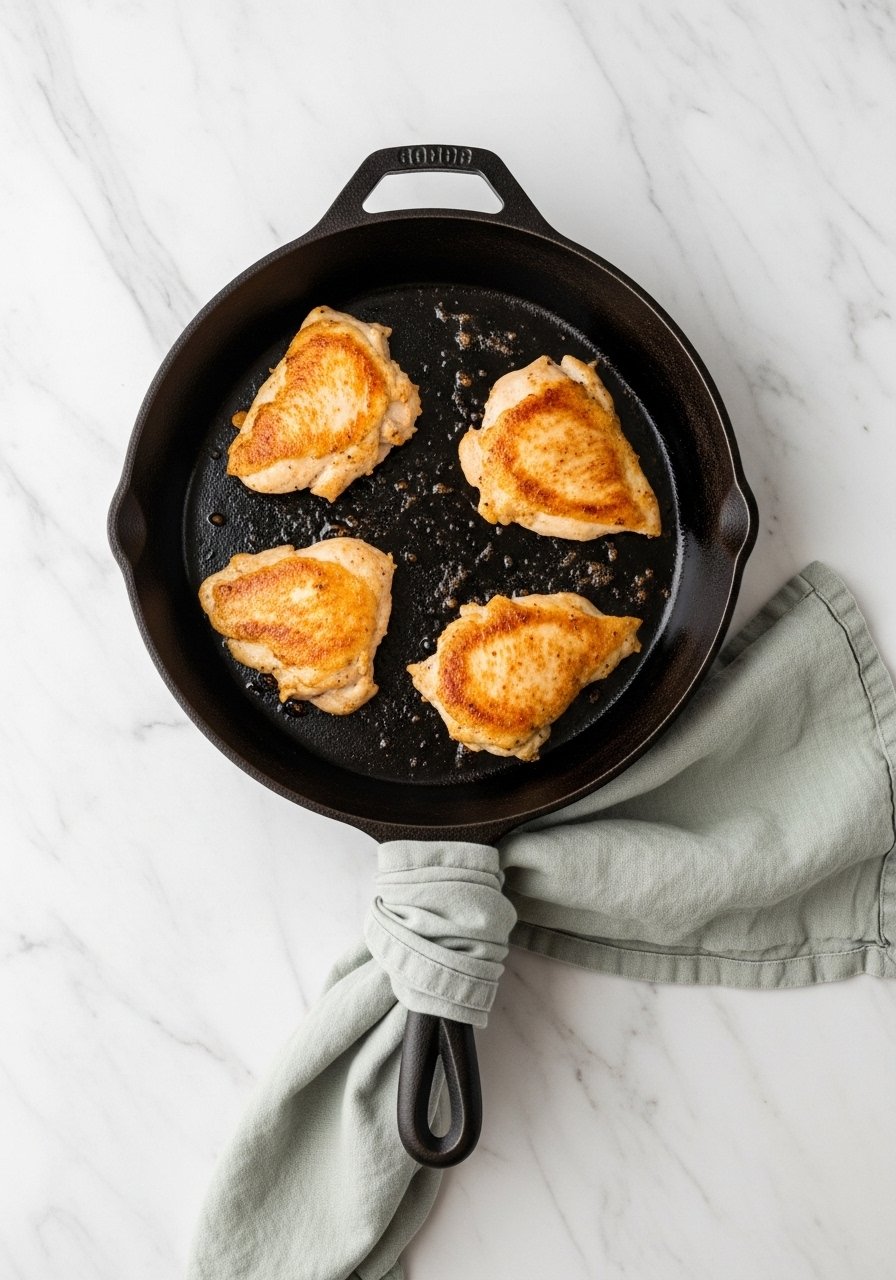
Use high heat to build flavor — crispy golden edges add satisfaction without extra calories. Heat your 10-inch cast iron skillet over medium-high, drizzle with a teaspoon of avocado oil, and sear proteins 3–4 minutes per side. Finish in a 400°F oven for 8–12 minutes if needed; chicken reaches safe doneness at 165°F (visual cue: juices run clear).
Season boldly:
- Use smoked paprika and garlic powder for smoky depth.
- Stir in a spoonful of tahini or miso for umami in dressings.
Time-saving tip: roast a tray of mixed veg (15–20 minutes at 425°F) while you sear the protein. The result: warm, contrasting textures and a plate that feels complete.
Getting the Perfect Texture and Doneness (visual cues & tweaks)
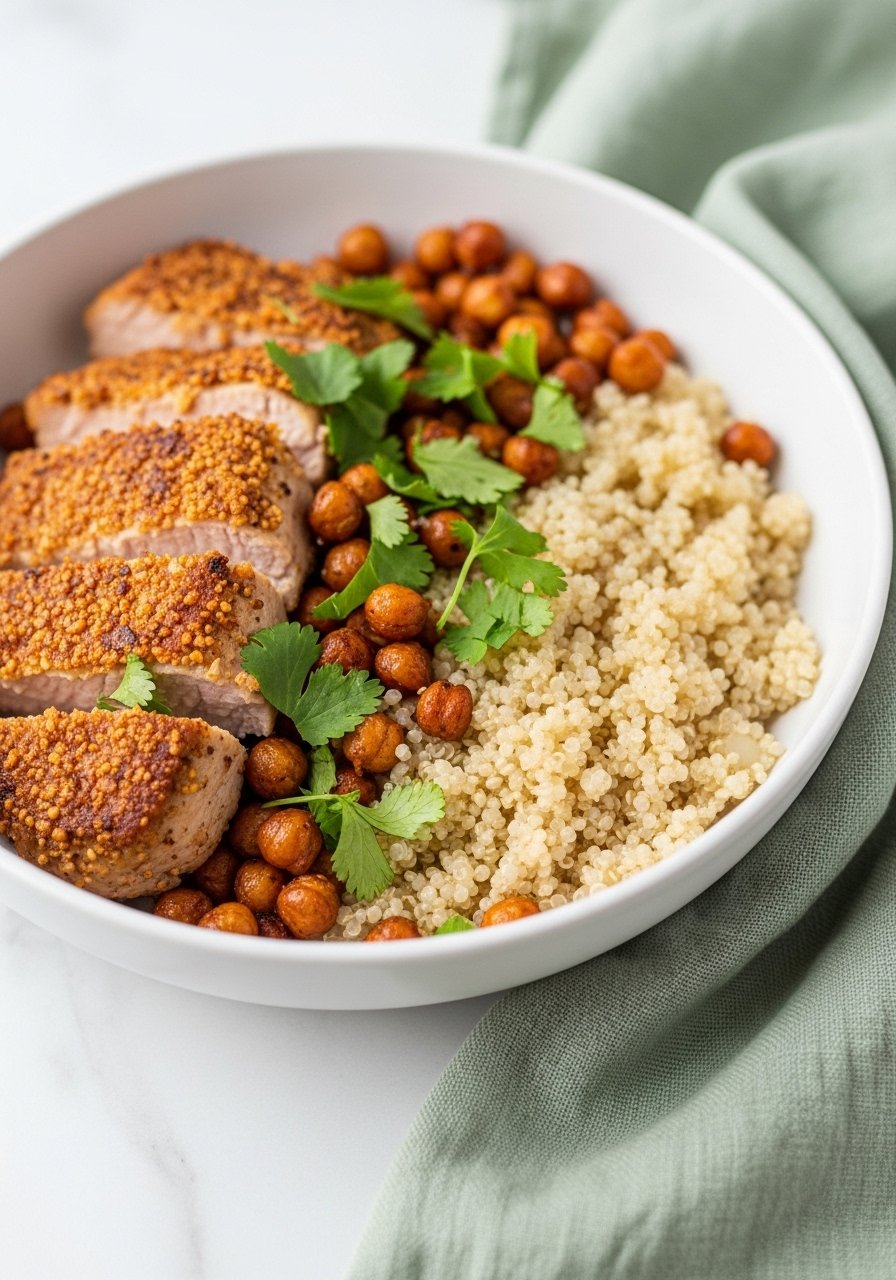
Satisfaction comes from contrast: creamy grain, crunchy roasted veg, and chewy protein. Use these cues to know you're done:
- Protein: golden crust, slight spring when pressed.
- Grains: fluffy, separate kernels.
- Veg: tender edges with crispy golden edges.
Pro tricks:
- Toss canned chickpeas with a teaspoon of oil and a sprinkle of smoked paprika, then roast 20–25 minutes for crunchy topping.
- Stir chia seeds into dressings for thickness and extra fiber — try a tablespoon per dressing.
Substitutions and scaling:
- Double quantities and store in glass meal prep bowls for 3–4 days of dinners.
- For plant-forward nights, swap chicken for extra chickpeas and add a scoop of quinoa.
Finishing Touches and Serving (flavor, storage, and leftovers)
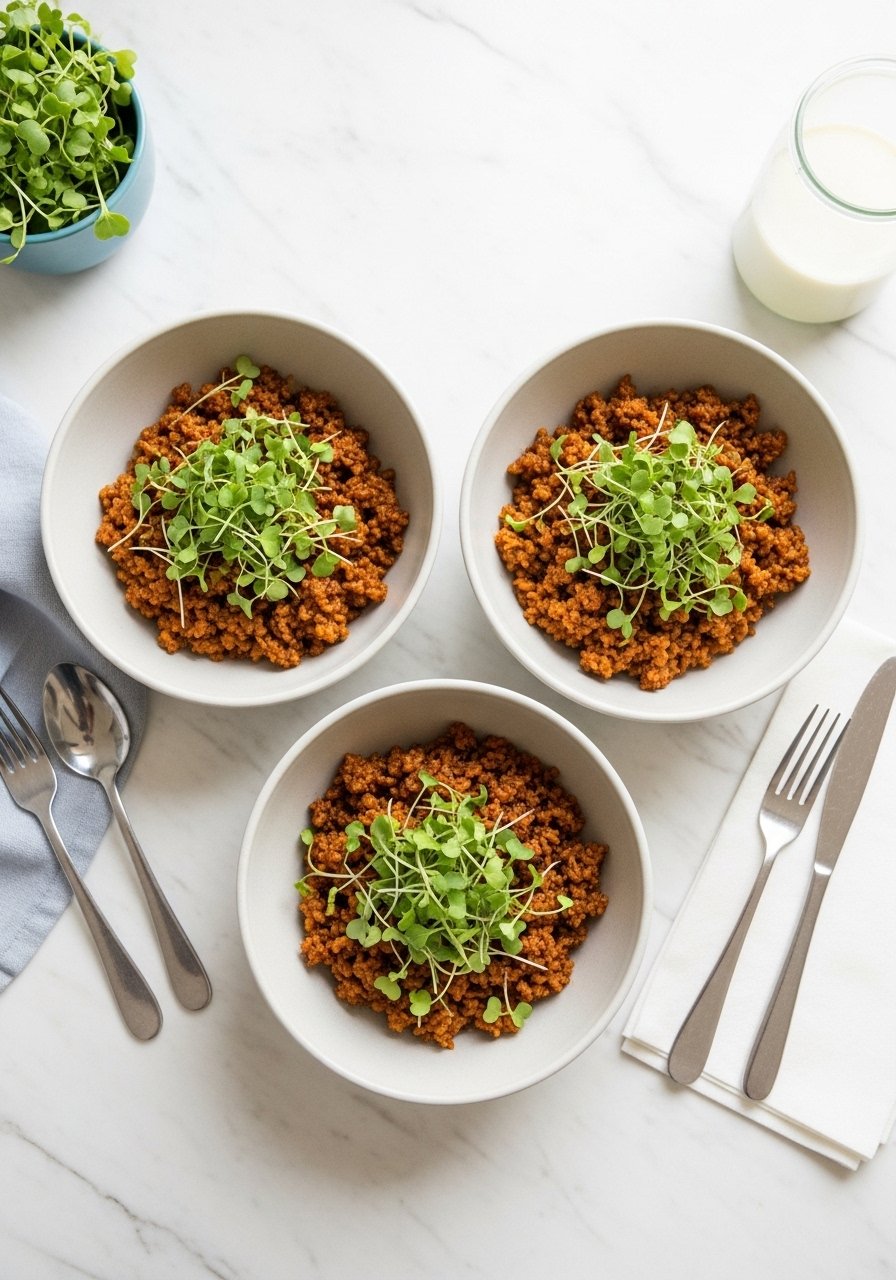
Finishing is where dinners for weight loss feel like a treat. Brighten with lemon, fresh herbs, and a drizzle of sesame or avocado oil. Try a quick tahini-lemon sauce: 1 tbsp tahini, 1 tsp rice vinegar, water to thin, salt.
Storage and make-ahead tips:
- Cool fully, then portion into glass meal prep bowls to keep textures fresh.
- Reheat only the protein and veggies; keep grains separate if you want a fresher texture.
Tools that help: a silicone spatula for gentle stirring and a small jar of chia seeds to boost fiber in sauces.
You just learned how to cook dinner for weight loss that feels satisfying: portion control, bold seasoning, and texture stacking. Save this guide, pin the plating ideas, and try the chickpea-tofu swap next week.
Brighten your weeknight dinners with these simple swaps — which texture trick will you try first? Pin this guide for easy reference and share with a friend who wants flavorful, filling weight-loss dinners.