You hate dry, rubbery fish and you’re not alone — according to a 2024 Food Network survey, about 62% of home cooks say they overcook fish at least occasionally. If you want to learn how to cook dinner with fish without overcooking, this guide gives you clear, repeatable steps so your fillets come out with a moist tender center and crispy golden edges every time.
The secret is simple: precise temps, quick heat, and smart prep. Start with a good 10-inch pan like a 10-inch cast iron skillet and an instant-read thermometer to remove the guesswork. These two tools stop the most common problems — uneven cooking and overcooking.
You’ll learn how to prep, which searing method to use, exactly what temperature to target, and finishing tricks that keep fish juicy. Along the way you’ll find pantry substitutes, storage tips, and a lesser-known brining trick that pros use.
Preparing Your Ingredients
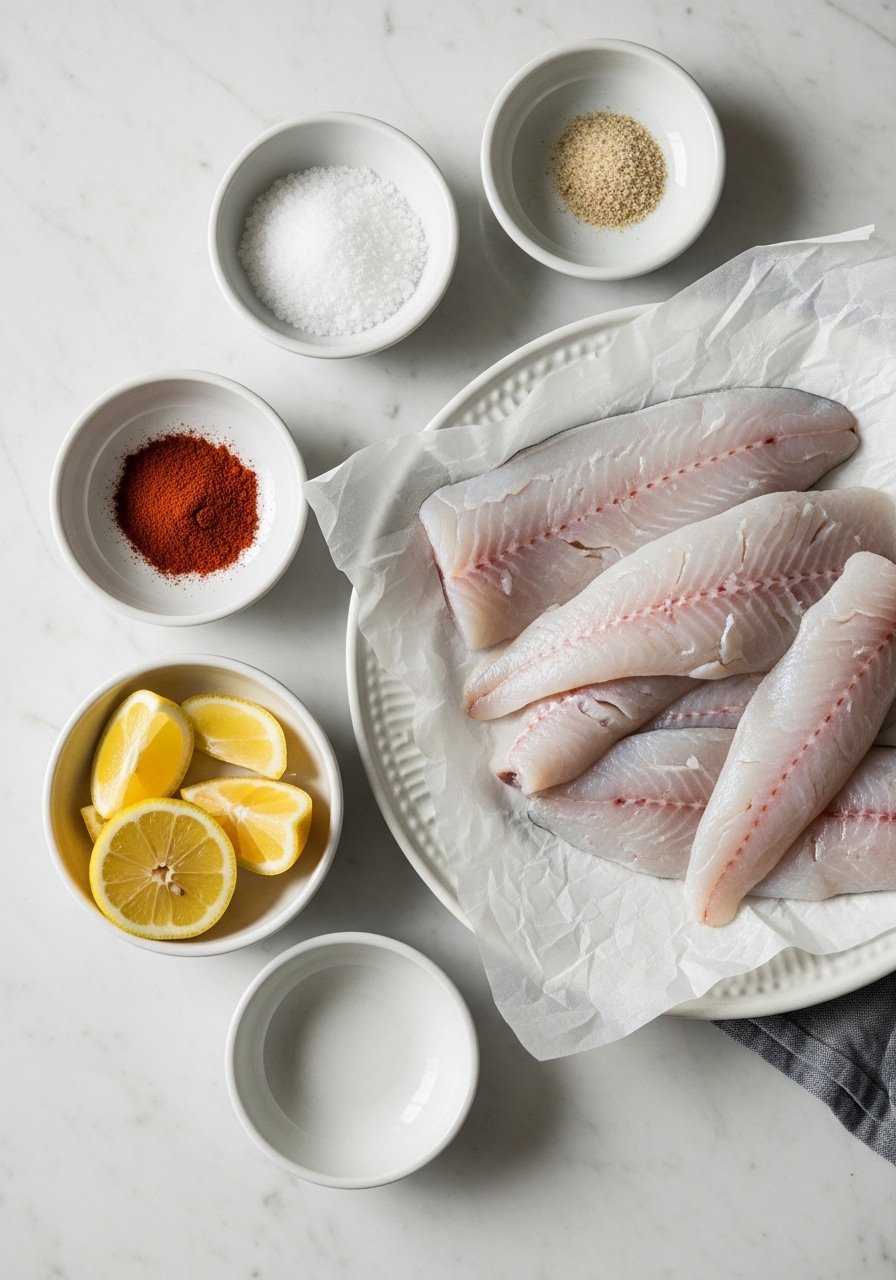
- Pat fish dry with paper towels; moisture causes steam and prevents a sear.
- Lightly score skin (if present) to prevent curling.
- Quick brine option (unique tip): dissolve 1 tbsp flaky sea salt + 1 cup water and soak fillets for 10 minutes to firm flesh and reduce sticking.
- Season just before cooking with flaky sea salt and a pinch of smoked paprika or pepper.
Why this works: drying and quick brine solve high-frequency pain points — sticking and flaking apart. If you want pantry upgrades, try flaky sea salt or smoked paprika for color and depth.
Mastering the Searing Technique (how to cook fish without overcooking)
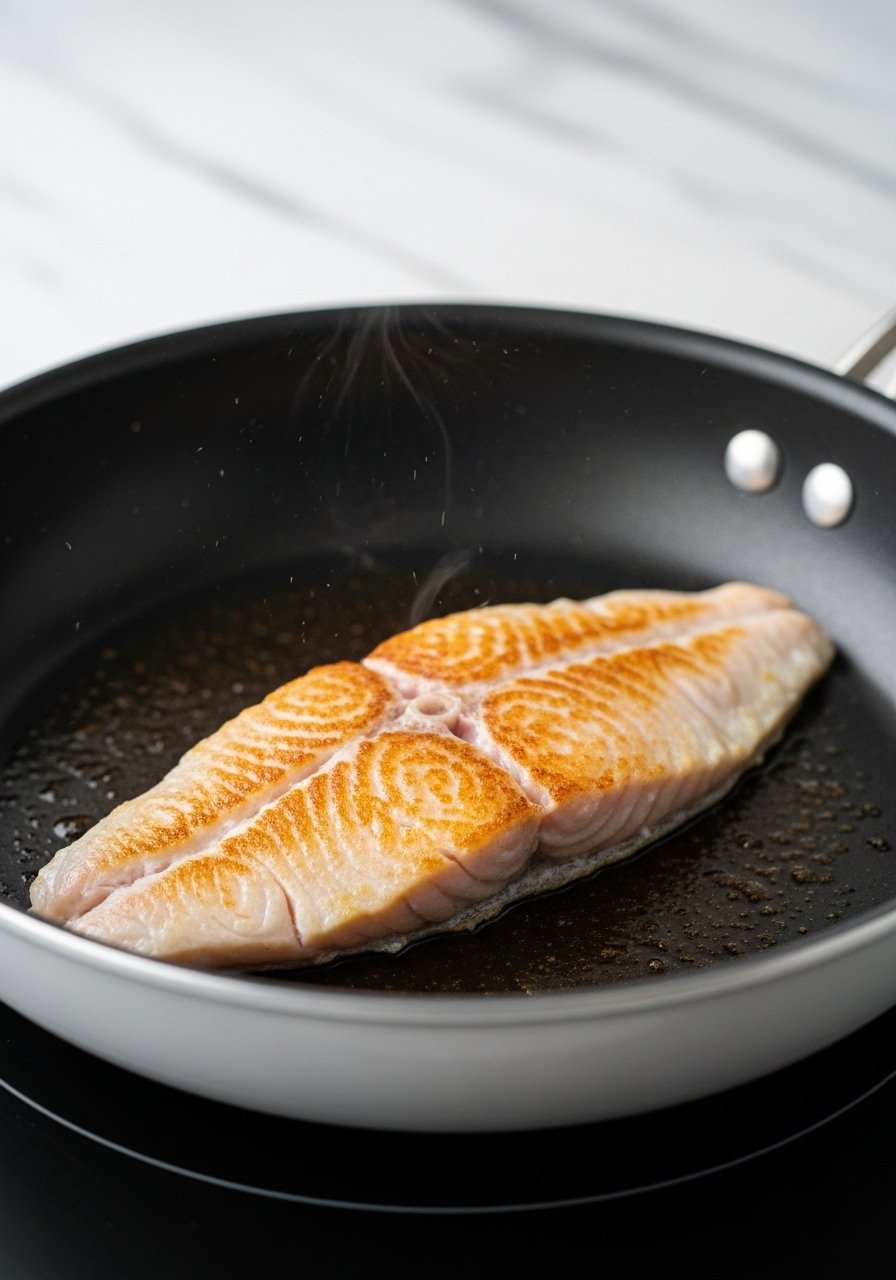
- Heat your 10-inch cast iron skillet over medium-high until shimmering.
- Add a high-smoke-point oil like avocado oil — about 1 tbsp for two fillets.
- Place fish presentation-side down; press gently for contact for 20–30 seconds.
- Sear 3–4 minutes for skin-on salmon, 2–3 minutes for thin white fish.
Pro tips:
- Use a fish spatula to flip without tearing.
- If the fish sticks, wait — it will release when properly seared.
- For even cooking, reduce heat to medium after flipping.
This addresses the top pain point: burning the outside while the center stays raw. Searing locks in flavor and creates those crispy golden edges people love.
Getting the Perfect Doneness (long-tail: how to cook fish without overcooking using internal temperature)
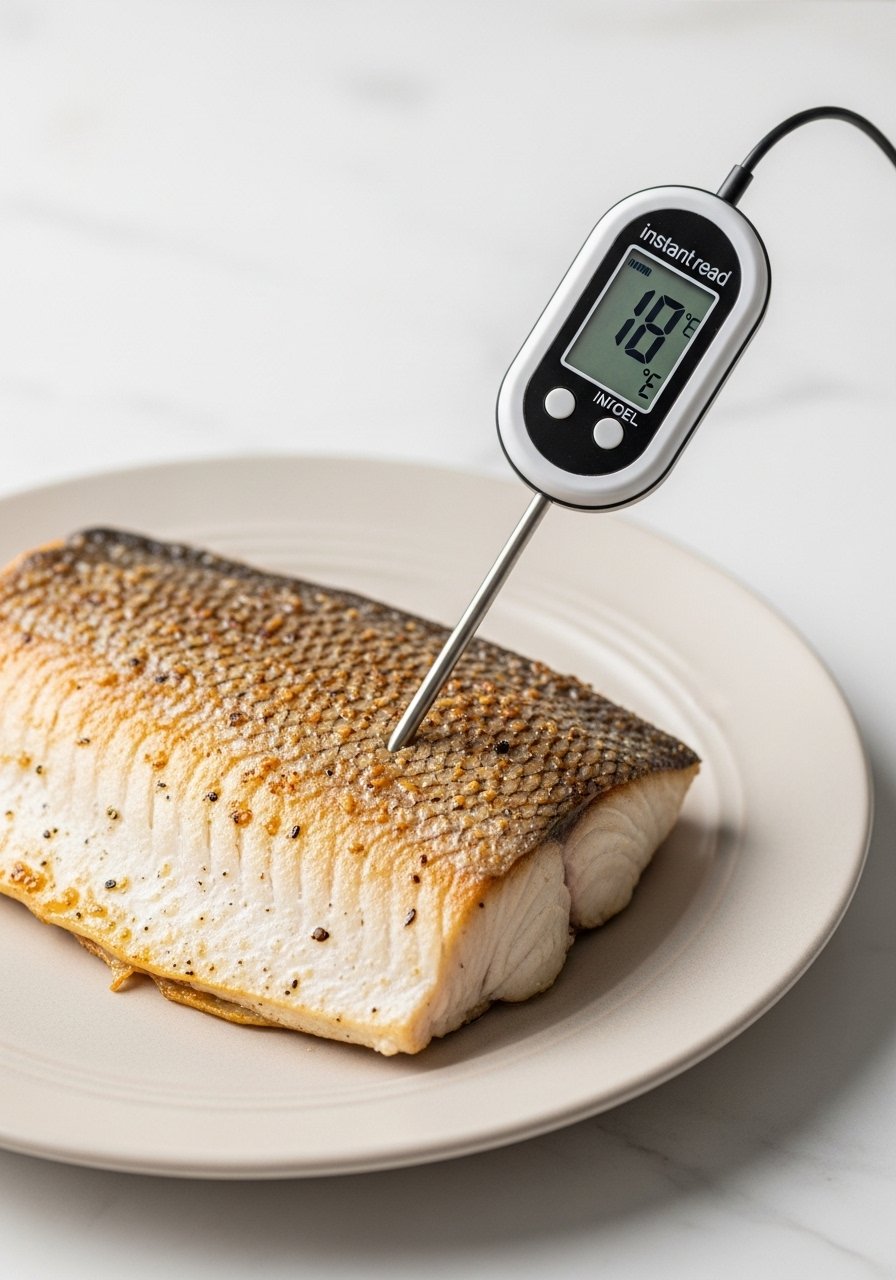
- Aim for 125–130°F for salmon (moist, slightly translucent), and 145°F for flaky white fish like cod or tilapia.
- Check temp at the thickest part; insert thermometer from the side.
- Account for carryover cooking: remove fish 2–3°F below target and rest 2 minutes on a warm plate.
Quick checks if you don't have a thermometer:
- Visual: flesh flakes with a fork but still looks moist in the center.
- Touch: slightly springy, not firm.
A reliable instant-read thermometer removes guessing and solves the #1 pain point — overcooking.
Finishing Touches and Serving (presentation and storage tips)
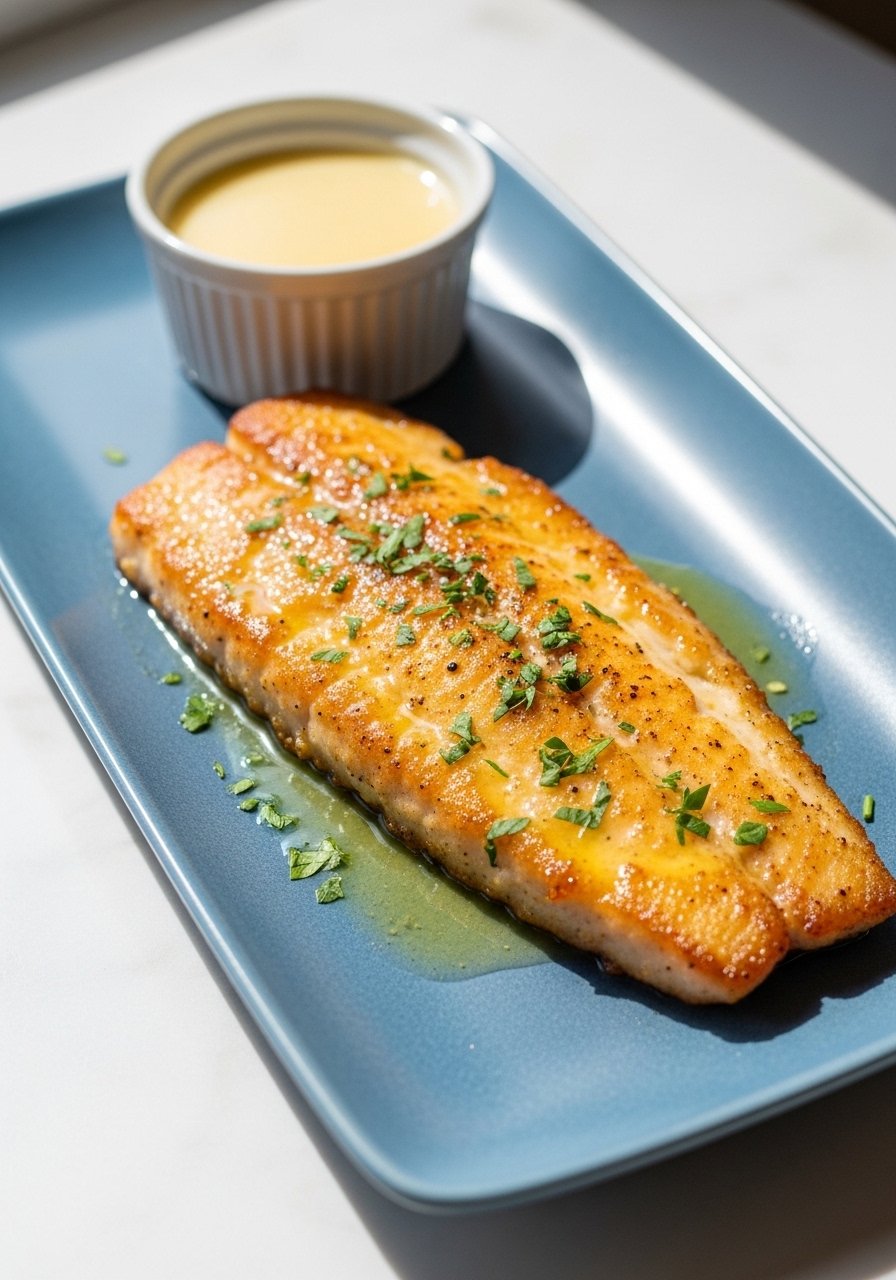
- Finish with 1 tbsp butter and a squeeze of lemon for glossy flavor.
- Add a drizzle of toasted sesame oil or a tiny spoon of fish sauce for umami on heartier fillets.
- Serve immediately on warm plates to keep heat and texture.
Storage & make-ahead:
- Cool to room temp for 30 minutes, then refrigerate in an airtight container up to 2 days.
- Reheat gently in a 275°F oven for 6–8 minutes to avoid drying.
Substitutions:
- No cast iron? Use a heavy stainless sauté pan. No butter? use ghee or olive oil.
Final visual cue: look for seared golden crust and a moist tender center — that's your signal you nailed the technique.
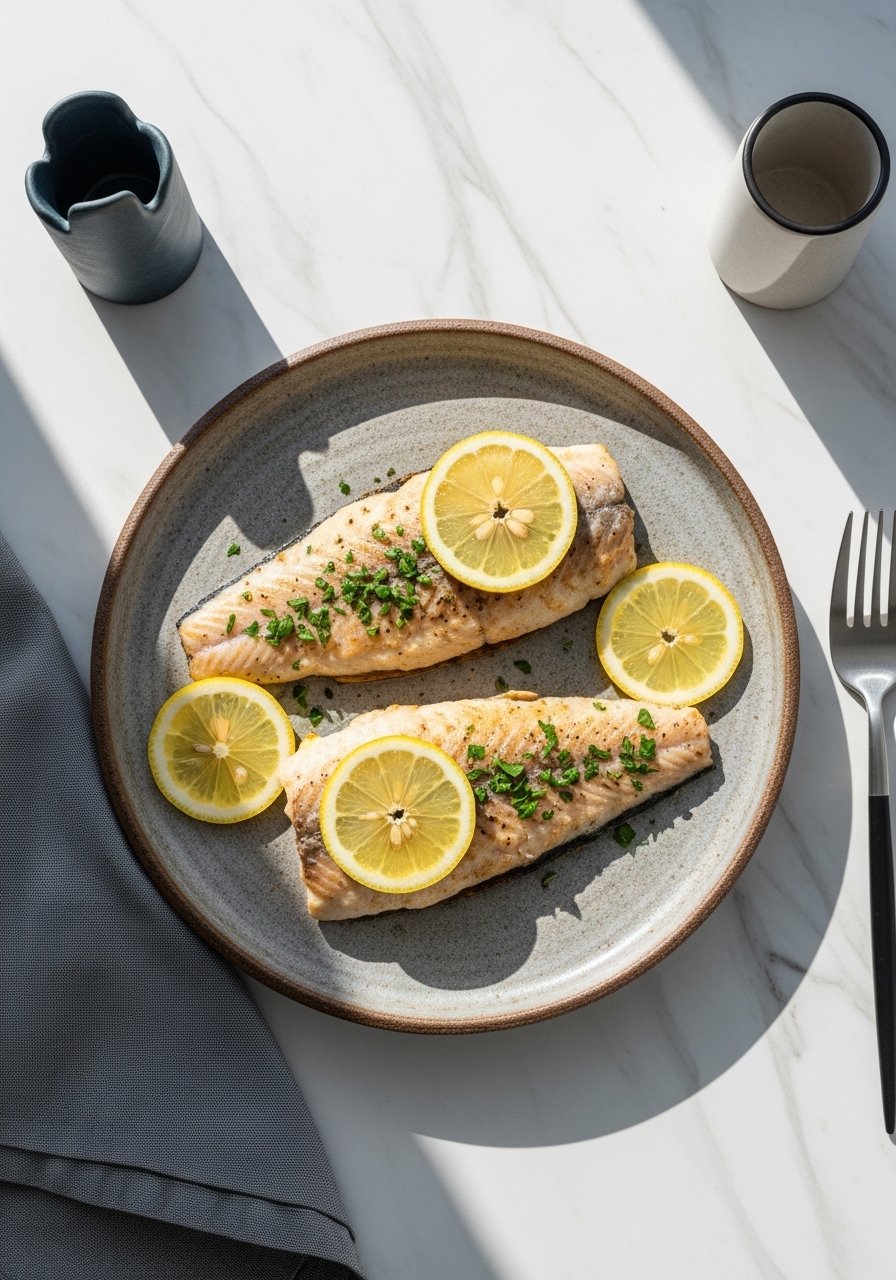
Once you get comfortable reading temperature and timing, you’ll stop worrying about how to cook dinner with fish without overcooking and start enjoying dinner with confidence. Save this guide, pin it for later, and grab a reliable instant-read thermometer if you don’t already have one — it’s the tool that prevents the most mistakes. Which tip will you try first? Pin this guide and share it with friends who overcook fish.