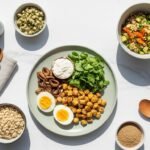
Tired of greasy pans and splattered oil but still want crispy golden edges and big flavor? You can cook dinner without frying everything and still get that satisfying texture. According to a 2024 Food Network survey, 62% of home cooks try to avoid frying at least once a week — and many of them worry about cleanup, oil smoke, and kids avoiding soggy veggies.
The secret is technique: roast at high heat, braise for depth, and use quick sears or broil finishes for crispiness. A 10-inch cast iron skillet plus a digital kitchen scale will make your shift away from frying effortless and consistent.
In this guide you'll learn how to prep faster, swap frying for oven and braise methods, get crisp edges without oil baths, and store leftovers. Try these steps tonight and pin this for later.
Preparing Your Ingredients for Faster, Cleaner Cooking
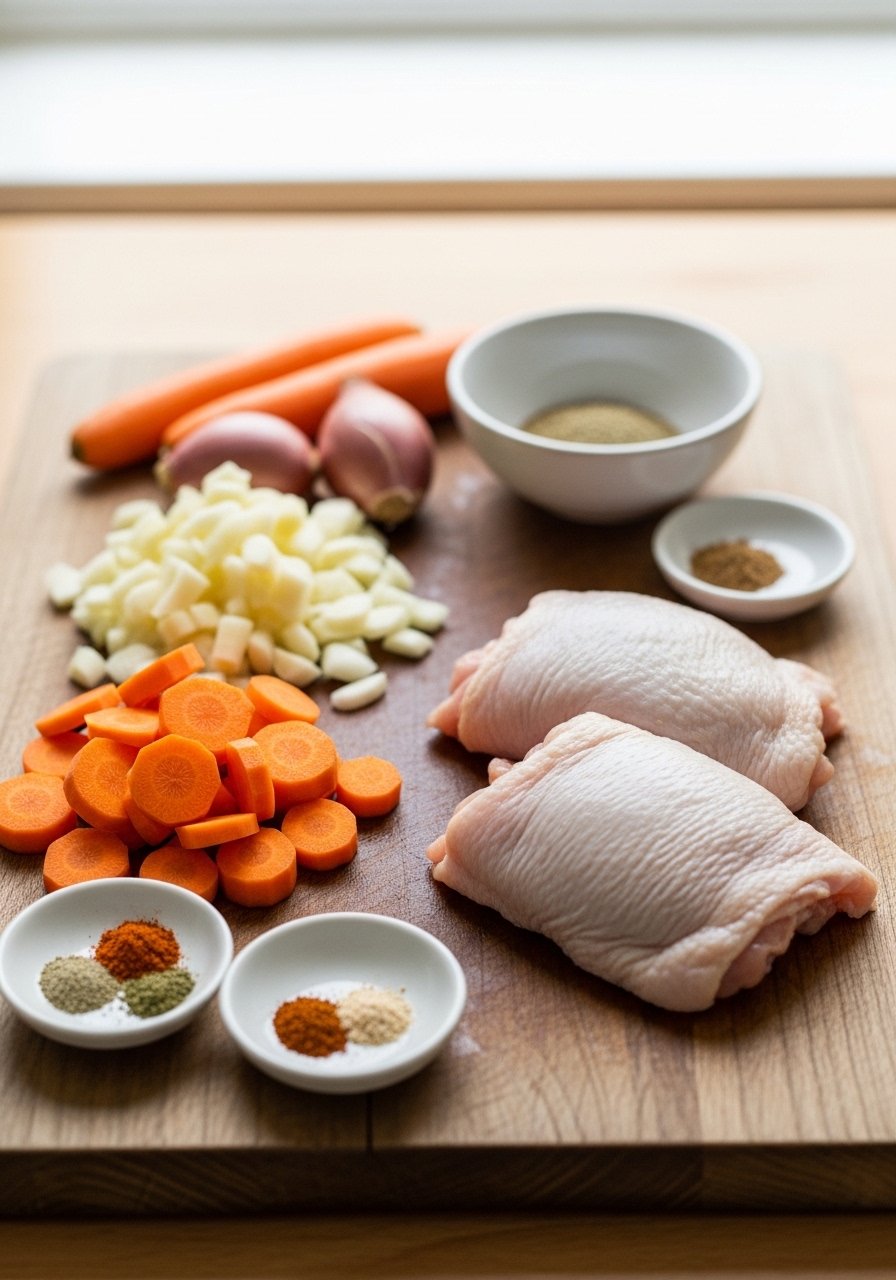
Prep is the time-saver that keeps you from defaulting to frying. Dry proteins and vegetables thoroughly — moisture is the enemy of browning. Salt and rest meat or skin-on chicken for 20–30 minutes to draw out moisture, then pat dry again for crispy golden edges in the oven.
Quick checklist:
- Use a sharp chef's knife for even pieces.
- Portion into equal sizes so everything cooks in the same time.
- Pre-measure spices on a digital kitchen scale when you want repeatable results.
Storage & scaling tip: double recipes and cool quickly in glass storage containers for up to 4 days — saves another night from frying.
How to Cook Dinner Without Frying Everything: Oven & Sheet-Pan Method
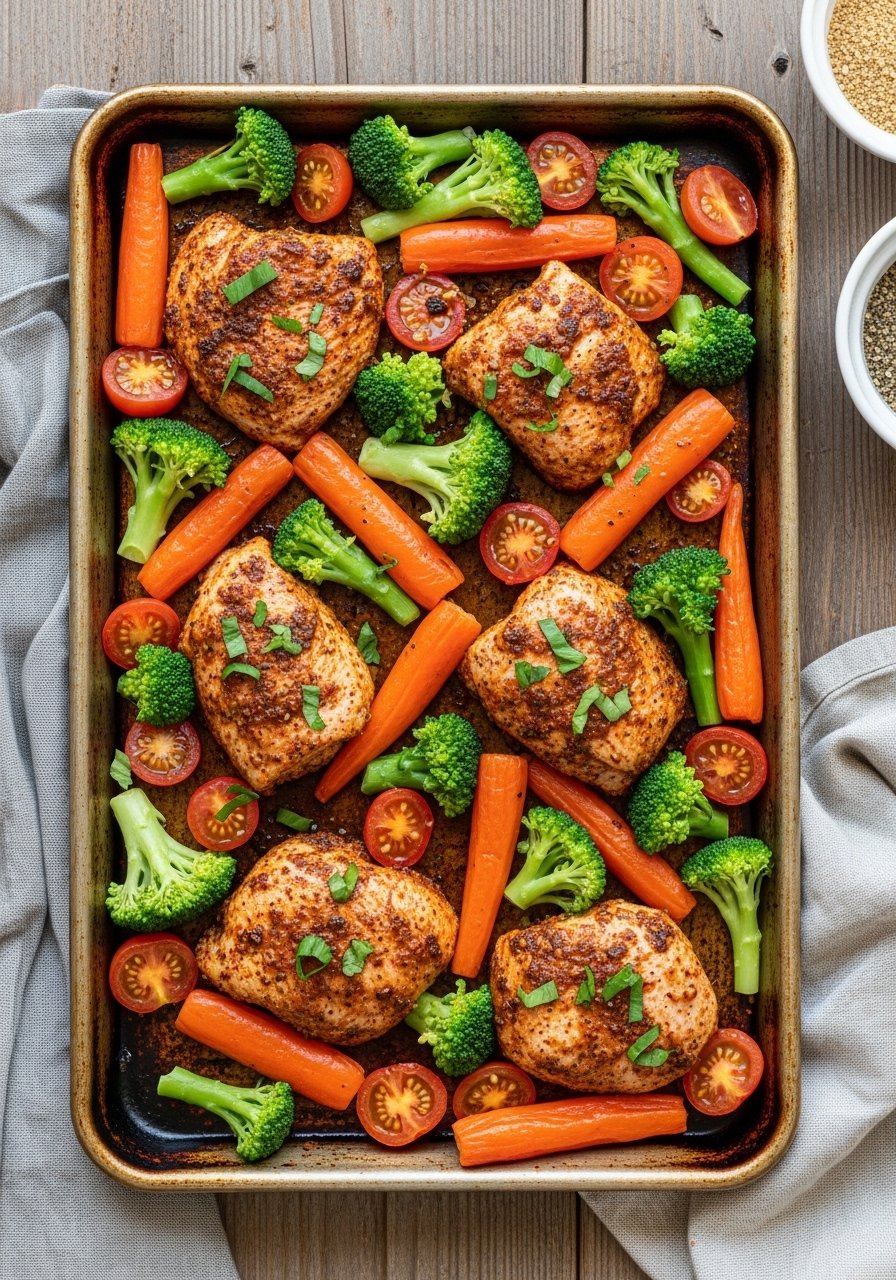
Sheet-pan meals are your best swap for pan-frying — one bake, less oil, less cleanup. Preheat oven to 425°F for vegetables and thin proteins; roast for 20–30 minutes, flipping halfway. For sturdier roots or mixed trays, give denser items a head start.
Pro tips:
- Line a silicone baking mat or use a lightly oiled half-sheet pan to prevent sticking.
- Use a light spray of oil and a pinch of flaky sea salt to coax caramelization without deep frying: flaky sea salt.
- Add a dash of smoked paprika for color and a subtle smoky note that mimics pan-sear flavor.
Visual cue: pull veggies when edges are dark golden and skins blistered — that's your crispy signal without extra oil.
Searing, Roasting, and Braising: Build Flavor Without Oil
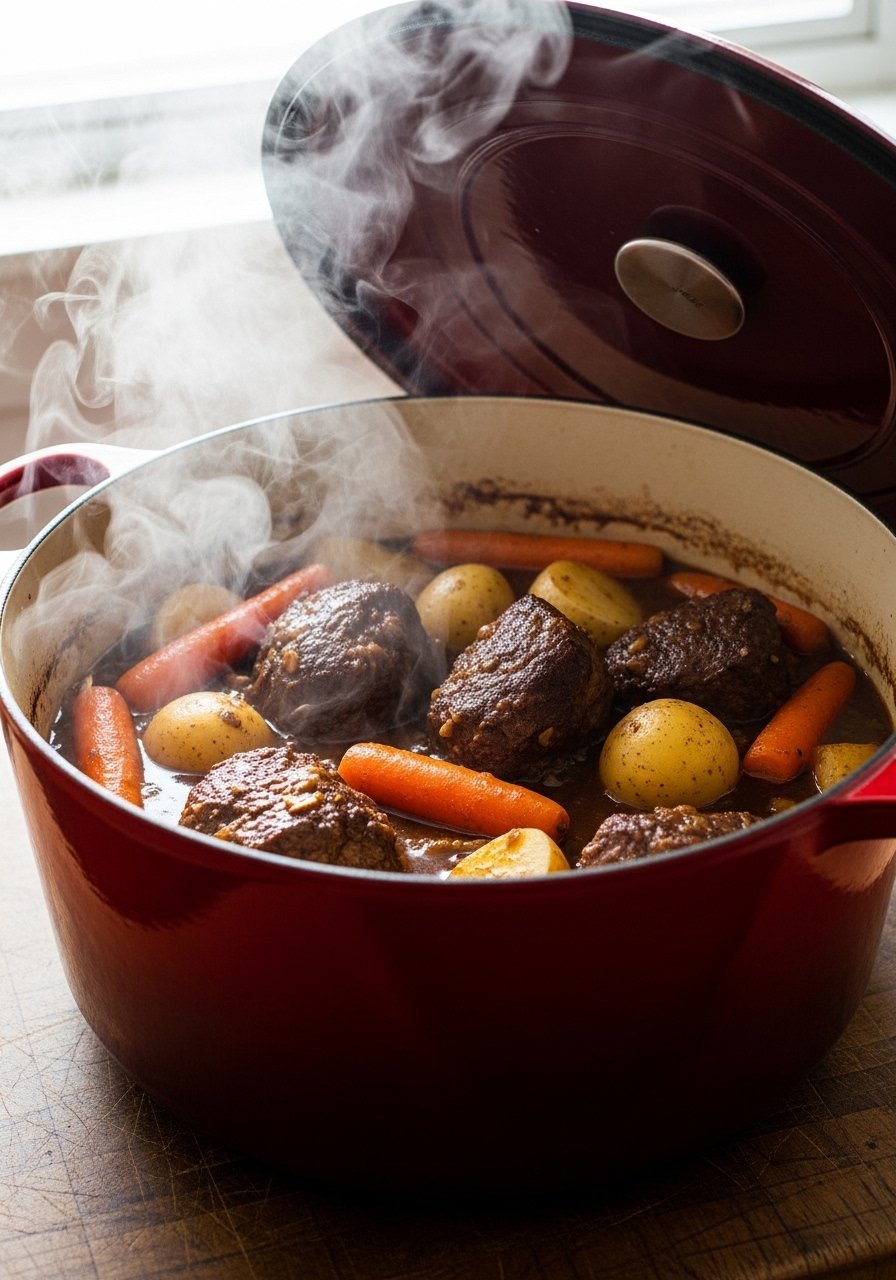
You don’t need to deep-fry to get browned flavor. Use a hot oven and a quick dry sear in a heavy pan, then finish in the oven or braise low-and-slow in a Dutch oven. For quick sears, preheat the pan until just smoking, then sear 2–3 minutes per side and transfer to 375°F oven to finish.
For braises:
- Sear for color, deglaze with broth or wine, add aromatics, cover and simmer at 325°F for 1–2 hours until tender.
- Check doneness with an instant-read thermometer; poultry should reach 165°F.
Flavor hack (unique tip): stir a spoonful of gochujang paste into braising liquid for savory-sweet depth that roasts well and keeps mouths happy without frying.
Finishing Touches and Serving Like a Pro
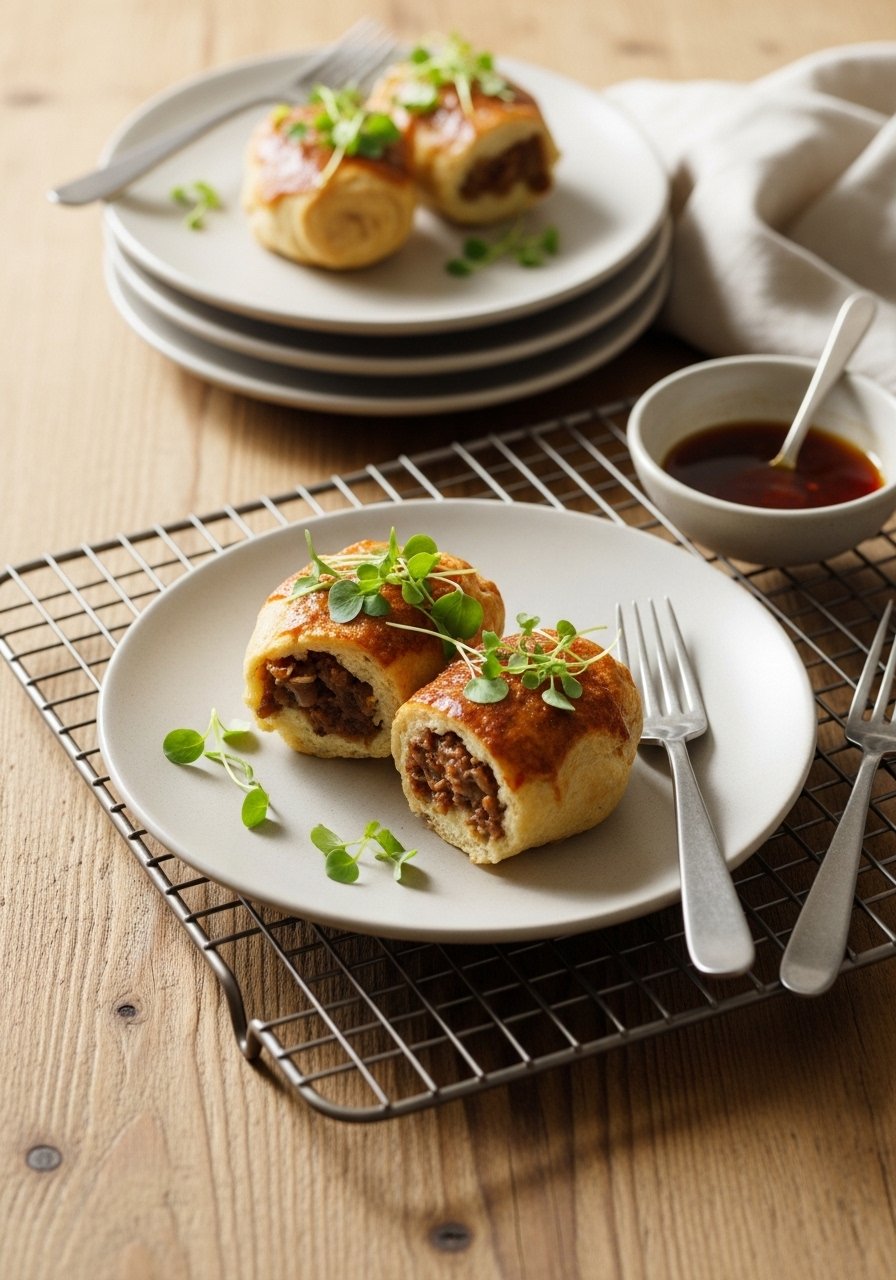
Finish with acid and texture for interest. A squeeze of lemon or splash of rice vinegar brightens braised dishes. For crisp bottoms, transfer roasted pieces to a wire cooling rack immediately after cooking so steam doesn't make them soggy.
Serve and store:
- Chill leftovers in glass storage containers within two hours.
- Reheat under the broiler or in a hot oven for 5–7 minutes to regain crispness.
Which shortcut will you try tonight: sheet-pan roasting, a quick braise, or oven-seared chicken? Save this pin, try one method this week, and share the before/after photo.
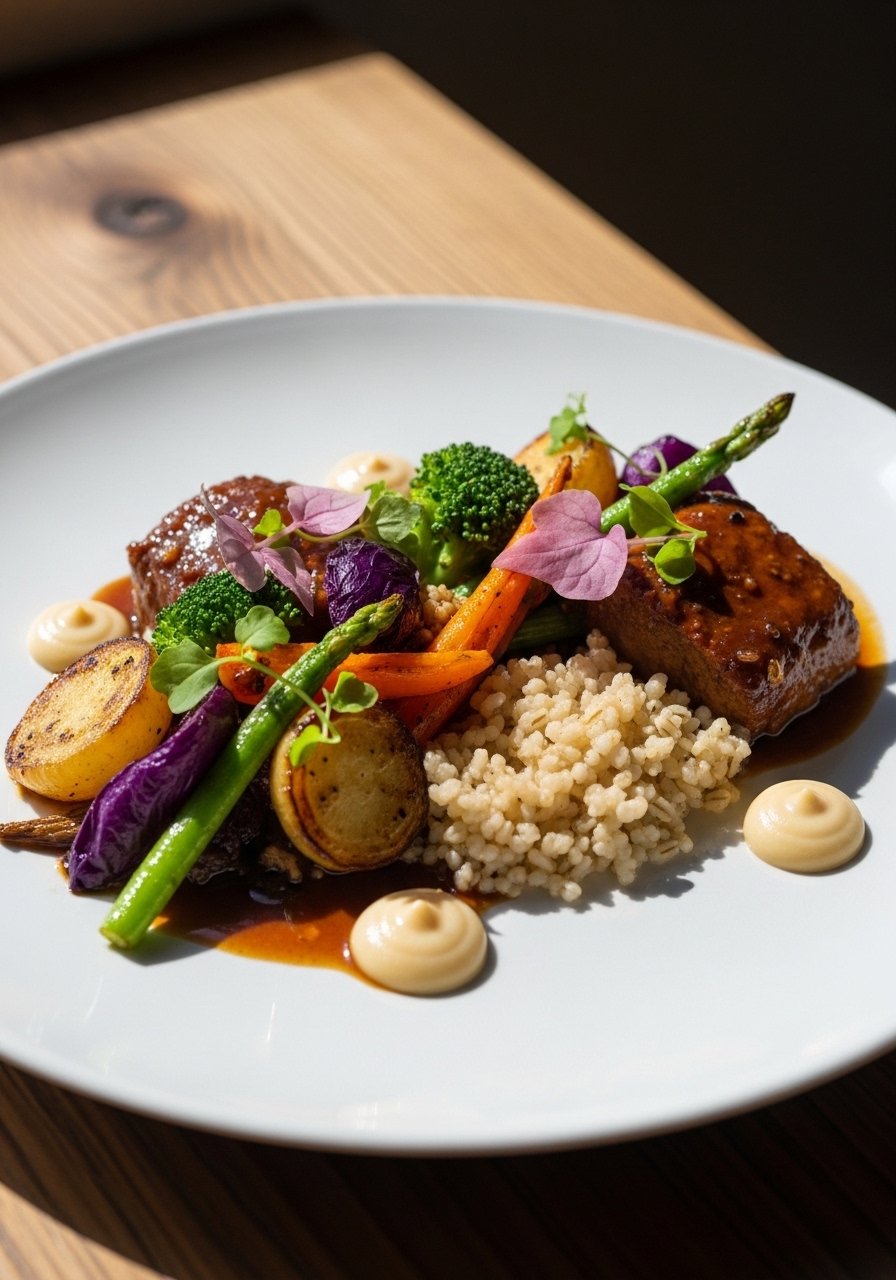
Give one of these techniques a go this week and you’ll see how easy it is to cook dinner without frying everything. Keep an instant-read thermometer handy — it’s the single tool that helps you stop guessing doneness. Pin this guide for your next weeknight and tell me: which method will you try first?