You open the fridge and panic: no recipe, just basics. You can cook dinner without recipes using basics — and make meals that taste like you planned them. This guide shows how to think in building blocks so you can pull together easy, one-pot, high-protein dinners or 30-minute meals without a single recipe.
The secret tools that speed this up are a sharp chef's knife and a reliable 10-inch cast iron skillet. They help you prep fast and cook with confidence. Read on for step-by-step habits, flavor templates, timing benchmarks, and storage tips you can use tonight.
You'll learn how to prep like a pro, choose basic cooking methods, judge doneness, and finish dishes for serving or meal prep. These steps turn pantry staples into satisfying dinners you can repeat and improvise.
Preparing Your Ingredients (quick mise en place)
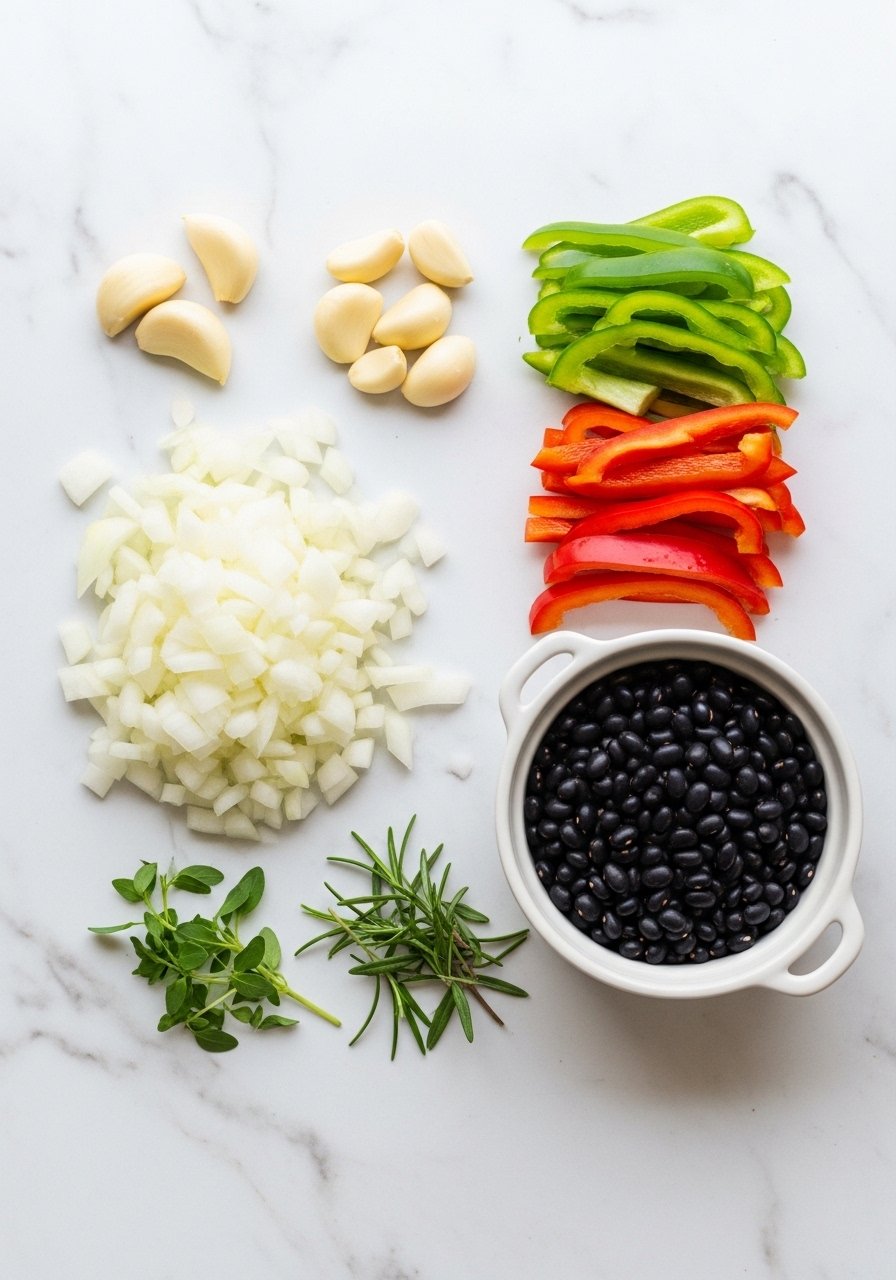
Start by scanning the fridge and pantry. Group proteins, aromatics, starches, and a vegetable. Prep saves time and prevents overcooking.
- Use a sturdy cutting board and your chef's knife to chop uniformly — 1/2-inch dice cooks evenly.
- Measure with a quick eye: 1 cup cooked grain per person, 4–6 oz protein per serving.
- Keep small items in small glass jars for salt, spices, and oils so you can reach without searching.
Quick pro tip: rinse canned beans and pat proteins dry so they brown instead of steam.
The Mixing/Cooking Technique: simple templates
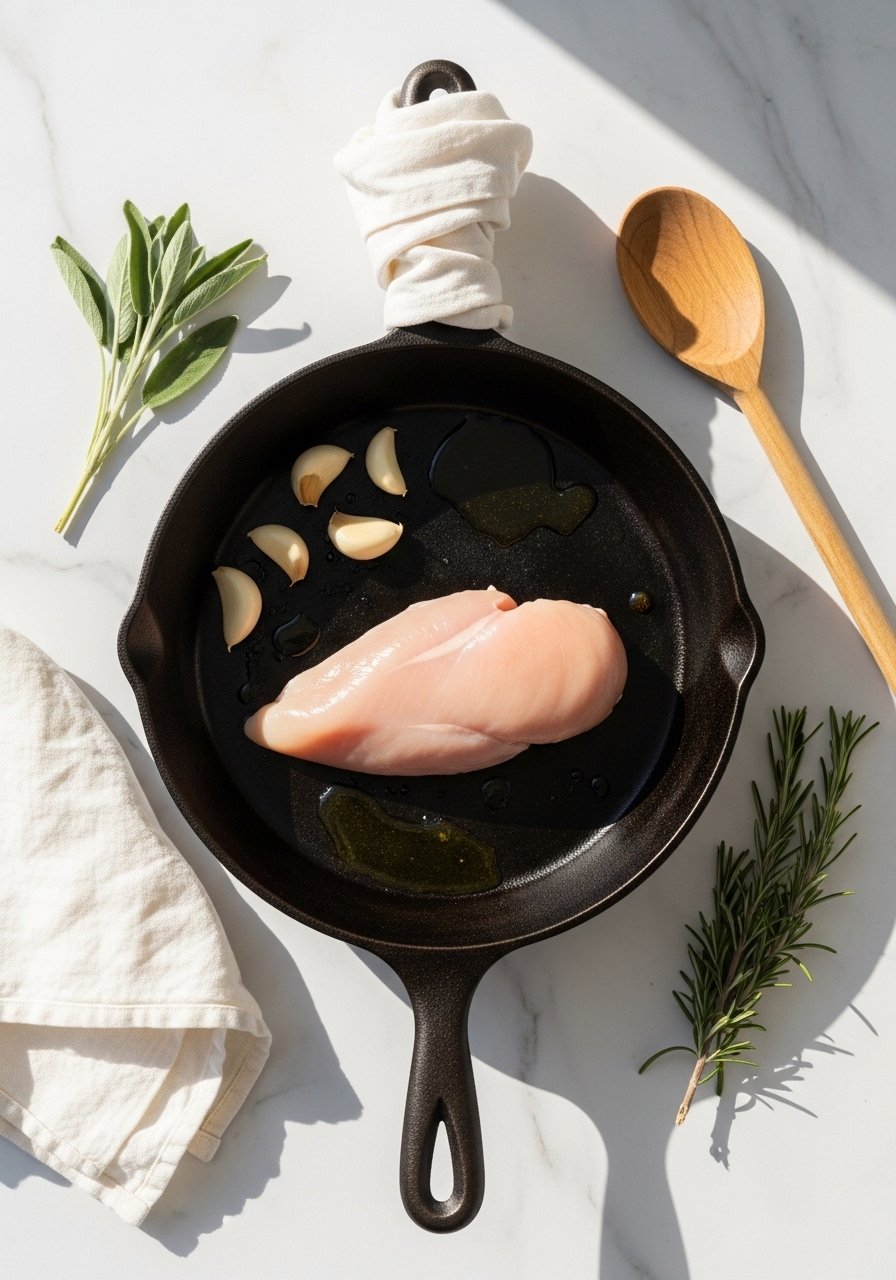
Think in three simple methods: sear + finish, one-pot braise, or sheet-pan roast. Pick the one that matches your protein and time.
-
Sear + finish (30 minutes)
- Preheat a 10-inch cast iron skillet until shimmering.
- Sear protein 2–4 minutes per side (fish quicker, chicken longer), then finish with a splash of stock or wine.
- Use a silicone spatula to stir sauces and a pair of kitchen tongs to flip.
-
One-pot braise (30–60 minutes)
- Brown aromatics in a Dutch oven, add liquid, cover and simmer until tender.
- Great for tougher cuts, beans, or root veg.
-
Sheet-pan roast (30–40 minutes)
- Spread protein and veg on a rimmed baking sheet with oil and salt.
- Roast at 425°F until browned and cooked through.
Use a silicone brush to oil veggies evenly and avoid sticking.
Getting the Perfect Texture and Doneness
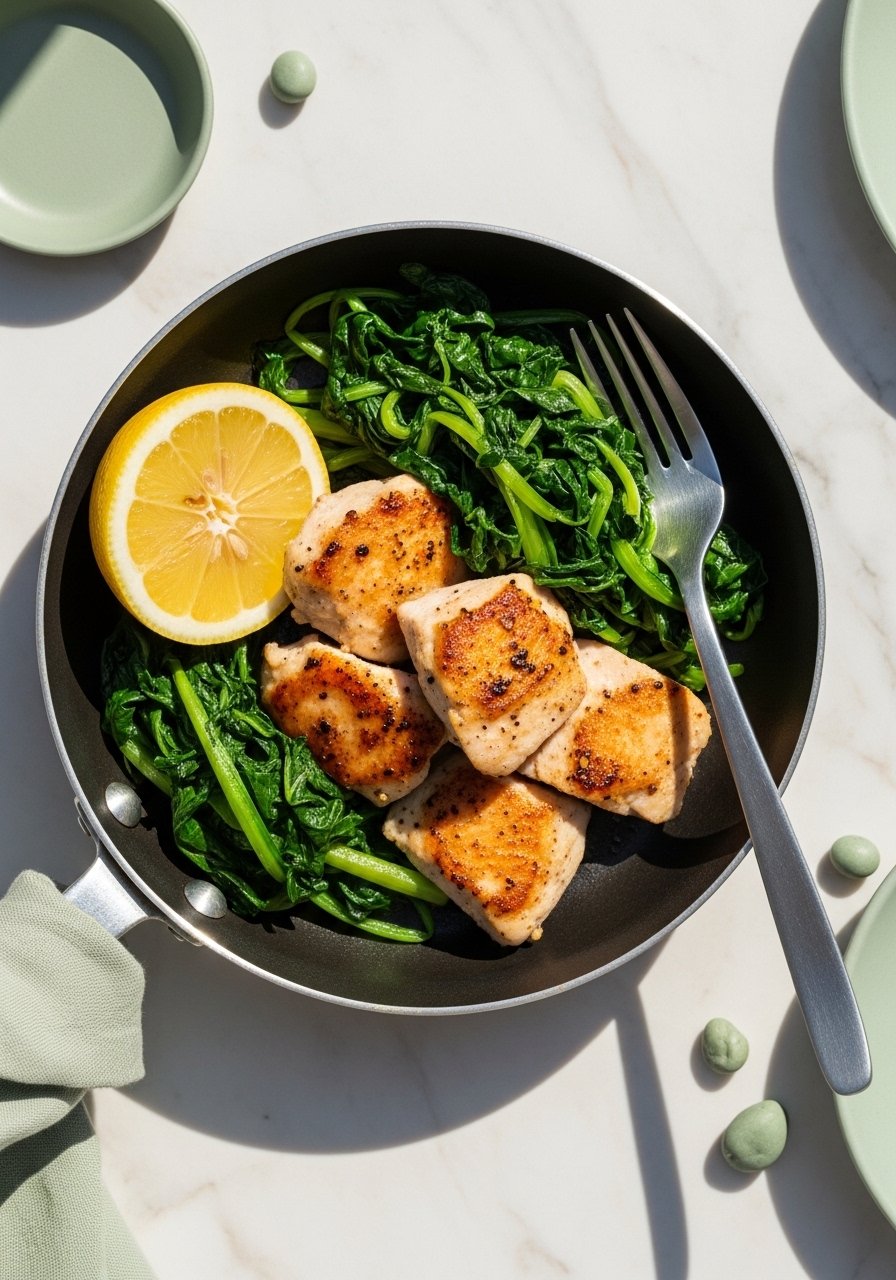
Judging doneness by sight and touch becomes easier with practice — and an instant tool helps.
- For meats, check with an instant-read thermometer. Aim for 165°F for chicken, 145°F for pork, and 125–135°F for medium fish.
- For grains, taste a forkful: most rice is tender in 15–20 minutes; quinoa in 12 minutes.
- For vegetables, roast until edges caramelize and a fork meets little resistance — usually 12–20 minutes depending on size.
If a sauce is too thin, simmer uncovered to reduce. If too thick, whisk in a tablespoon of stock at a time.
Finishing Touches and Serving (meal prep & storage)
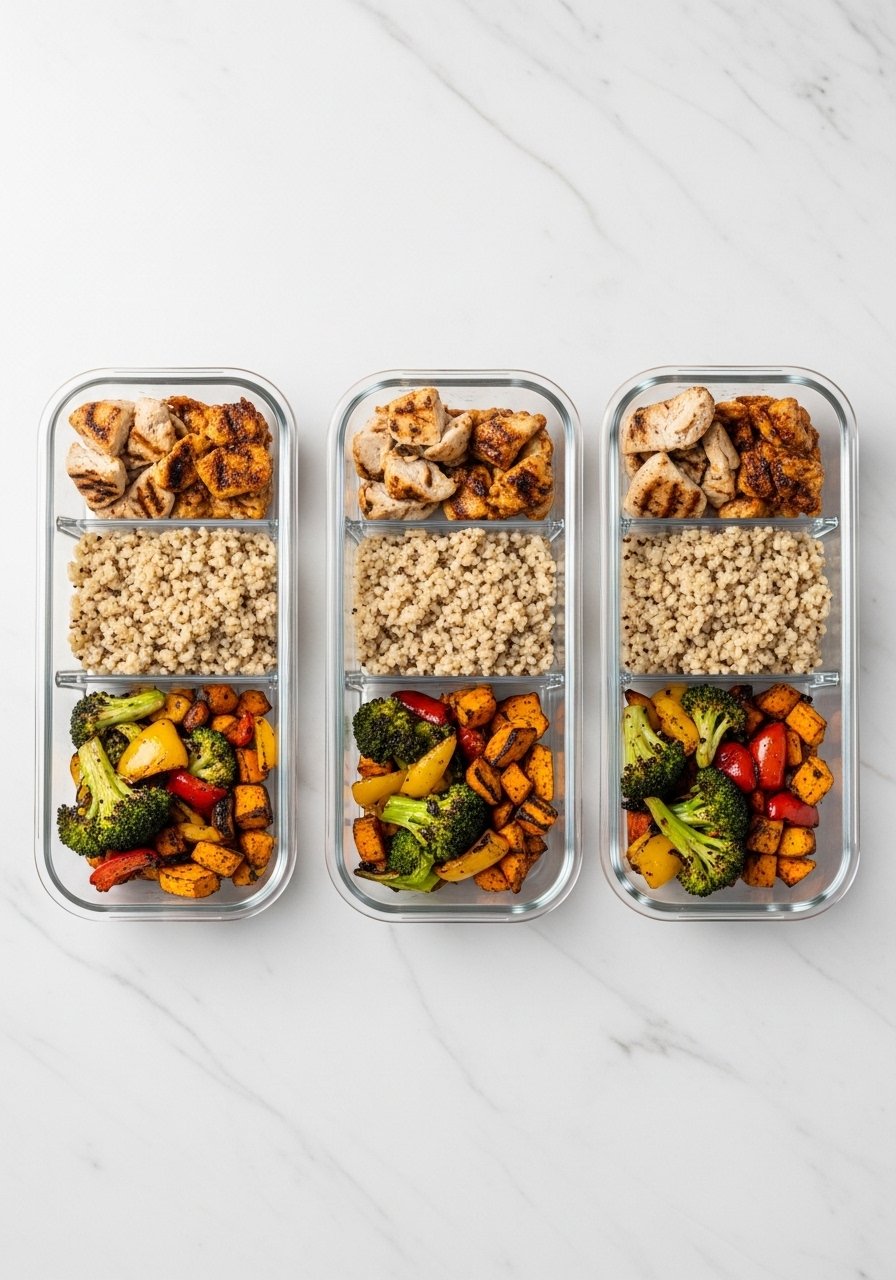
Finish dishes with acid, fat, and texture — a squeeze of lemon, a drizzle of good oil, and a crunchy topping.
- Store leftovers in airtight glass containers and chill within 2 hours.
- Use glass meal prep bowls for portion control and easy reheating.
- Freeze extras flat in labeled freezer bags for up to 3 months.
Garnish with fresh herbs, toasted nuts, or a grating of citrus using a microplane grater to lift flavors.
You just learned a repeatable way to cook dinner without recipes using basics: prep smart, pick a method, check doneness, and finish with contrasts. Save this guide and pin it for your next weeknight. Which flavor template will you try first — sear + finish, one-pot braise, or sheet-pan roast? Grab a reliable instant-read thermometer if you want extra confidence — it’s the tool that helps you cook without guesswork. Pin this guide for later and share with a friend who likes to improvise in the kitchen.