It’s the end of the day, you’re hungry, and suddenly dinner feels like a full-time job. You open the fridge, stare for a minute, and your brain goes, “Nope.” If that’s you, you’re not lazy—you’re just tired. And dinner doesn’t have to be complicated to be good.
The secret to a low-stress dinner is having a simple plan that works even when you’re low on energy. Think: fewer decisions, fewer dishes, and ingredients that do most of the work for you.
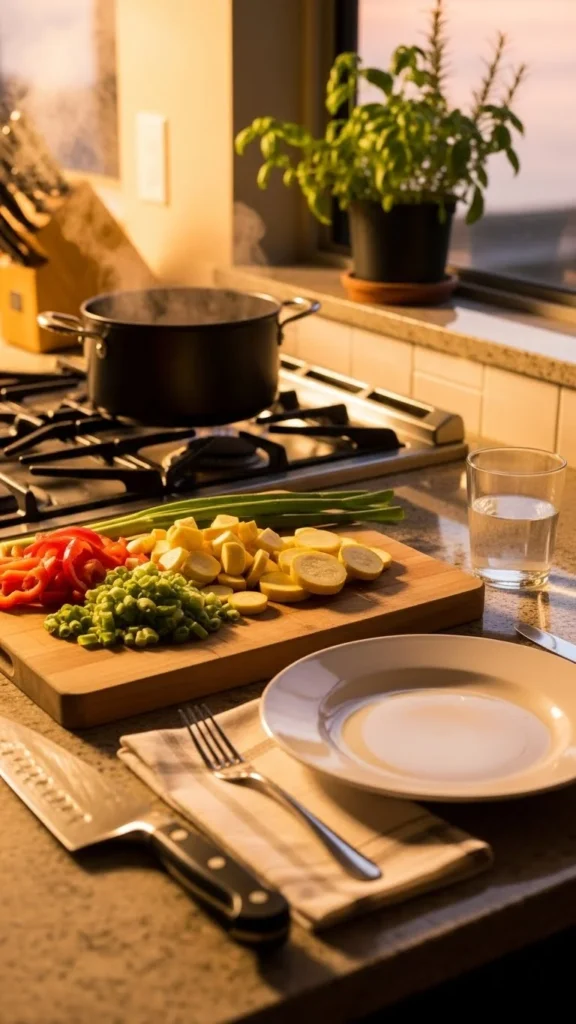
Start With the “Low-Stress Dinner Rules”
Before we talk recipes, let’s set the ground rules. These make everything easier.
Low-stress dinner should:
- Take 30 minutes or less
- Use one pan or one pot (two max)
- Rely on repeatable formulas instead of complicated steps
- Be flexible with what you already have
And here’s the most important rule: Good enough is perfect on weeknights. Dinner is not a performance.
Keep a Small Set of “Easy Mode” Ingredients
Stress usually comes from realizing you’re missing key ingredients. A little stocking-up removes that panic.
Easy proteins
- Eggs (fast, cheap, always useful)
- Chicken (breast or thighs)
- Canned beans or lentils
- Frozen shrimp
- Yogurt (great for quick sauces and marinades)
Easy vegetables
- Frozen mixed vegetables
- Pre-washed salad greens
- Cherry tomatoes
- Bell peppers, zucchini, onions (cook fast)
Easy carbs and bases
- Pasta
- Rice (leftovers or microwaveable packs)
- Tortillas or flatbread
- Couscous (fluffy in minutes)
Flavor helpers (the “make it taste like something” shelf)
- Garlic, ginger
- Soy sauce, vinegar, lemon
- Jarred pesto or marinara
- Spice blends (taco-style, Italian-style, curry-style)
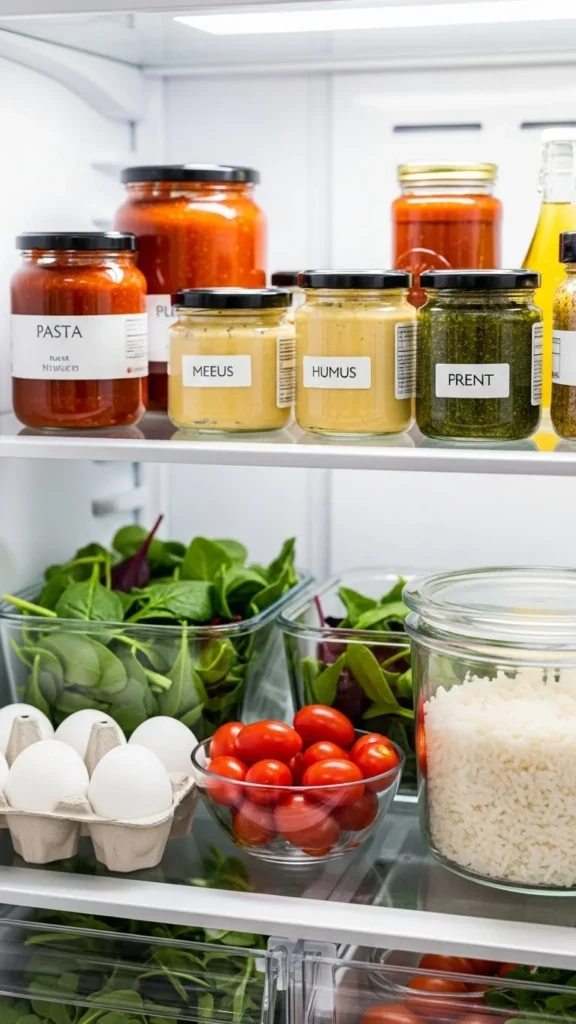
When you keep these around, you can build dinner without overthinking it.
Use a Dinner Formula Instead of a Recipe
When you’re stressed, recipes can feel like homework. Formulas are easier because you can swap ingredients without “ruining” anything.
Try this simple formula:
Protein + Veg + Sauce + Base = dinner
Mix-and-match ideas
- Eggs + spinach + garlic-lemon sauce + toast
- Chicken + frozen veggies + soy-ginger sauce + rice
- Beans + sautéed peppers + salsa + tortillas
- Shrimp + zucchini + pesto + pasta
If you have the formula, you can cook with whatever you’ve got.
Choose Cooking Methods That Do the Work for You
Low-stress dinners love simple cooking styles. These are fast, forgiving, and don’t require five different steps happening at once.
1) One-pan skillet
- Sauté protein
- Toss in veggies
- Add a sauce at the end
- Serve over rice, pasta, or bread
2) Sheet-pan dinner
- Throw everything on one tray
- Roast until golden
- Minimal cleanup, maximum reward
3) One-pot pasta
- Cook pasta
- Stir in sauce + greens
- Add protein if you have it
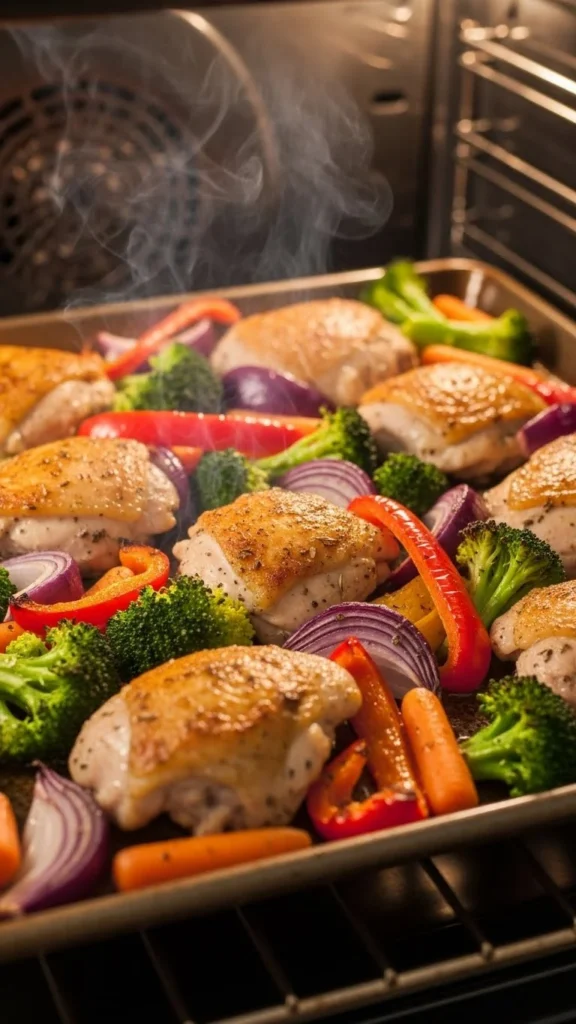
The less you have to manage, the calmer dinner feels.
Make a “5-Minute Sauce” That Saves Boring Meals
A simple sauce can turn random ingredients into a meal that feels intentional.
Try these quick options:
Creamy lemon garlic (great on chicken, bowls, salads)
- Yogurt + lemon juice + minced garlic + salt + pepper
Soy-ginger (perfect for stir-fries)
- Soy sauce + vinegar + honey or sugar + grated ginger
Fast tomato boost
- Marinara + a pinch of chili flakes + a little garlic
Easy “green sauce”
- Pesto + a splash of lemon + a spoon of yogurt
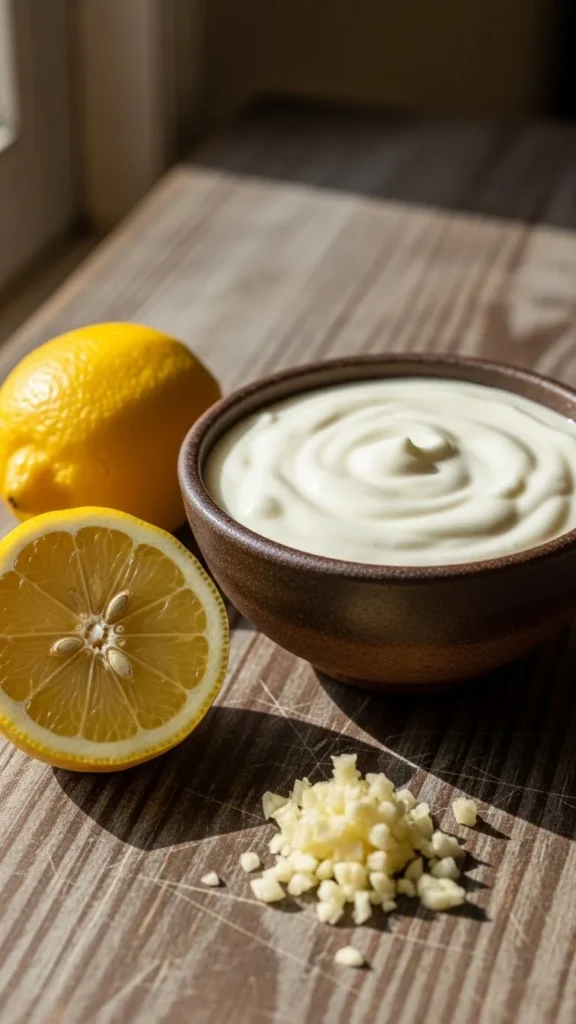
Keep one of these in your back pocket and dinner instantly feels less stressful.
Keep “Emergency Dinners” for Chaos Nights
Some nights are not cooking nights. Plan for that—so you don’t end up stressed and hungry.
Pick 4–5 emergency dinners you can make without thinking:
- Egg scramble + salad + toast
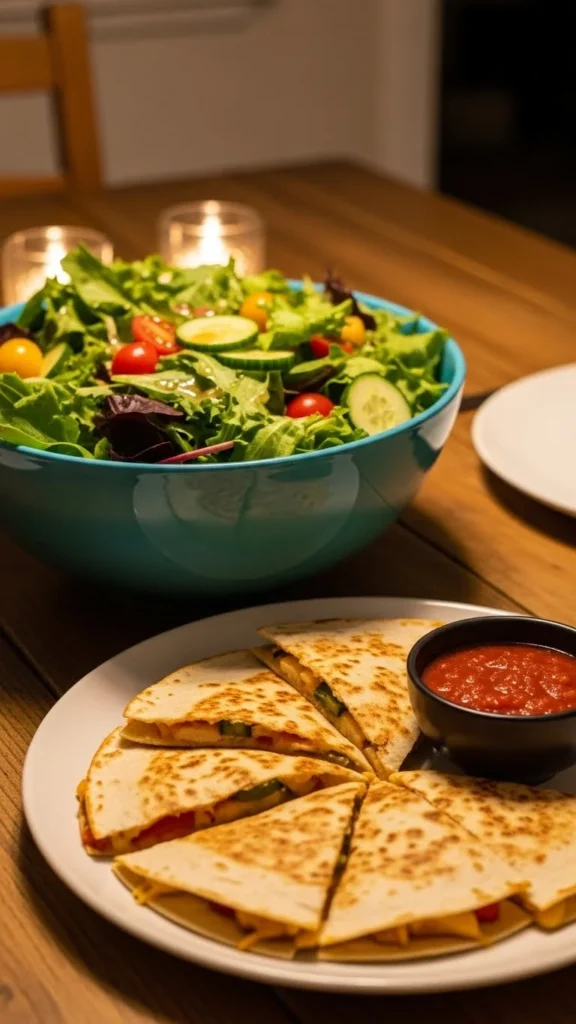
- Quesadillas with beans + salsa
- Pasta + marinara + spinach
- Rice bowl with leftovers + sauce
- Big chopped salad + protein (beans or cooked chicken)
If you keep the ingredients around, these are faster than ordering food and way easier than starting from scratch.
Clean As You Go (So Tomorrow Doesn’t Feel Hard)
A big part of dinner stress is the cleanup waiting at the end.
Try this:
- While something cooks, rinse and load dishes
- Wipe counters during simmer time
- Serve family-style from the pan or tray to use fewer plates
A clean-ish kitchen makes the next day feel lighter.
Takeaway
An easy dinner without stress isn’t about cooking perfectly—it’s about cooking simply. Stock a few basics, use a repeatable formula, lean on one-pan methods, and keep emergency meals ready for tough nights.
Save this post for later, and next time you’re exhausted at 6 p.m., you’ll have a calm plan that actually works. 🥣✨