You want easy meal prep dinners that actually make weeknights calmer — not more work. If you’re juggling work, kids, or just low energy after a long day, batch-cooking a few components on Sunday can give you ready-to-eat meals in minutes. The trick is planning swaps, simple marinades, and storage that keeps everything fresh.
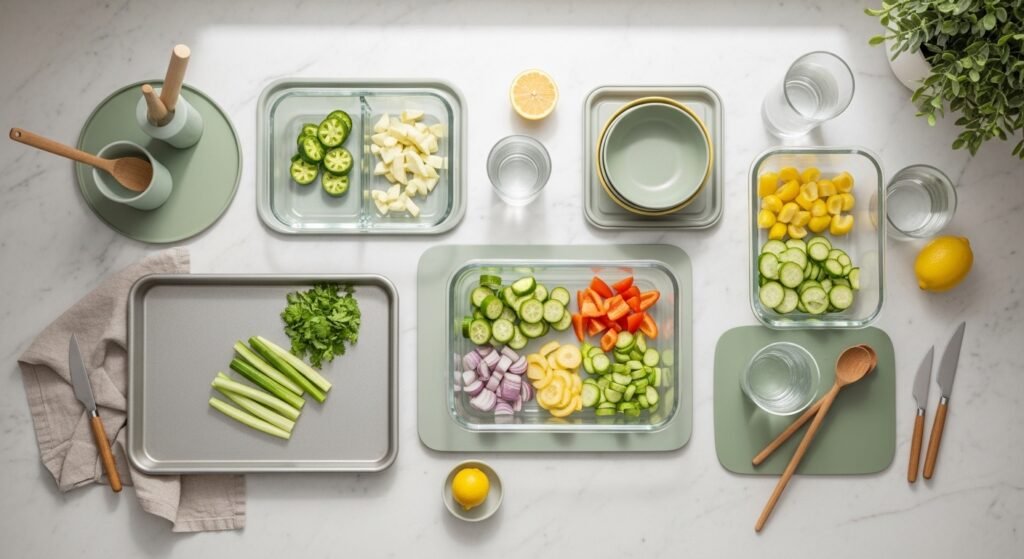
Start small: chop once, roast twice, and mix bowls all week. Using glass meal prep bowls for mise en place and airtight glass storage containers for leftovers saves loads of time and avoids soggy lunches. Read on for step-by-step methods, timing, and product tips to make easy meal prep dinners feel doable.
Preparing Your Ingredients for Easy Meal Prep Dinners
- Chop veggies first and divide into like-use piles (roast, quick-sauté, raw).
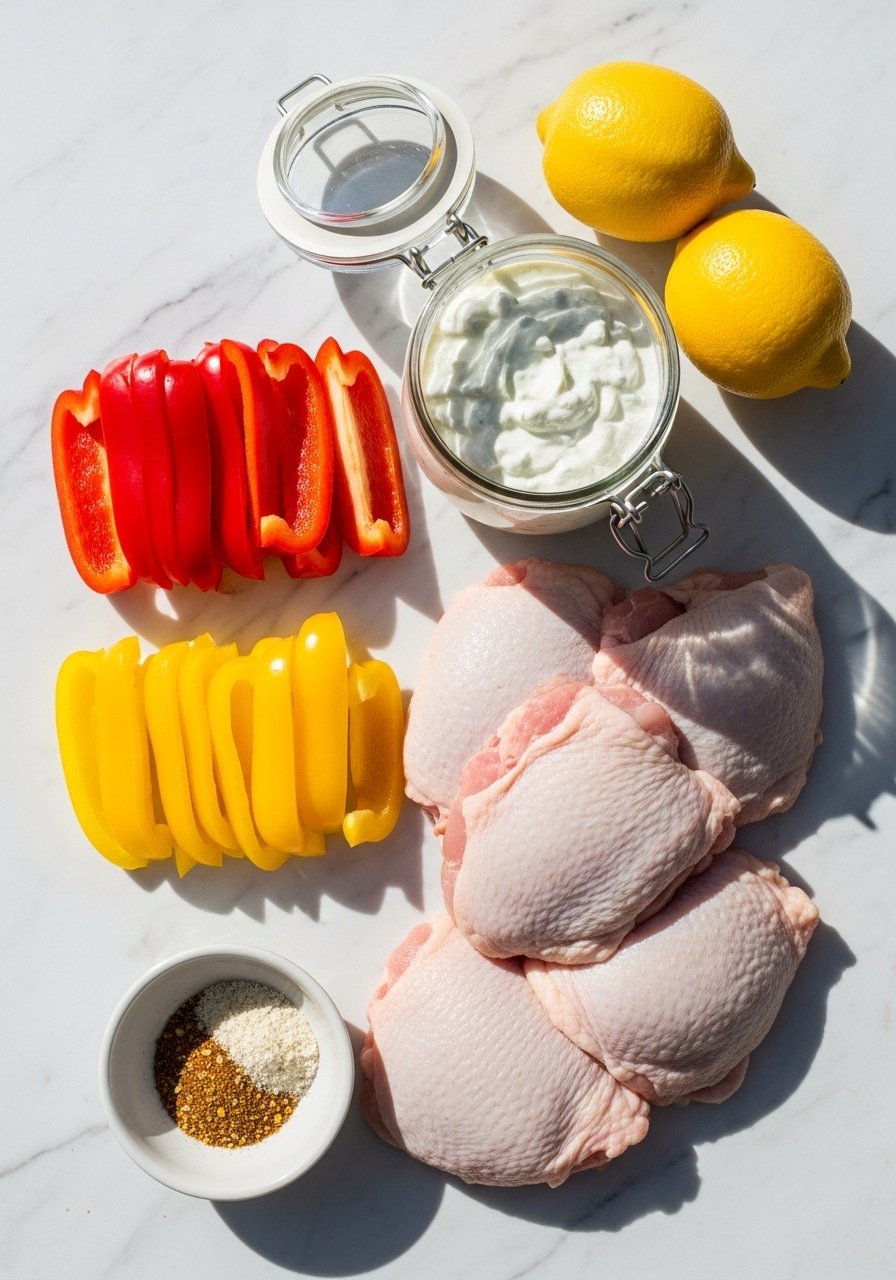
- Marinate proteins for at least 30 minutes or overnight for best flavor. Use a simple lemon-garlic-oregano rub for Greek bowls or gochujang + soy for Korean-style protein.
- Use a food processor to shred cabbage or blitz cashew sauce in 30 seconds.
- Keep wet toppings (sauces, tzatziki, kimchi) in small glass jars so they don’t make bowls soggy.
Pro tip: label containers with the day you made them. That helps you rotate meals and avoid tossing something usable.
One-Pan & Sheet Pan Tricks for Minimal Cleanup
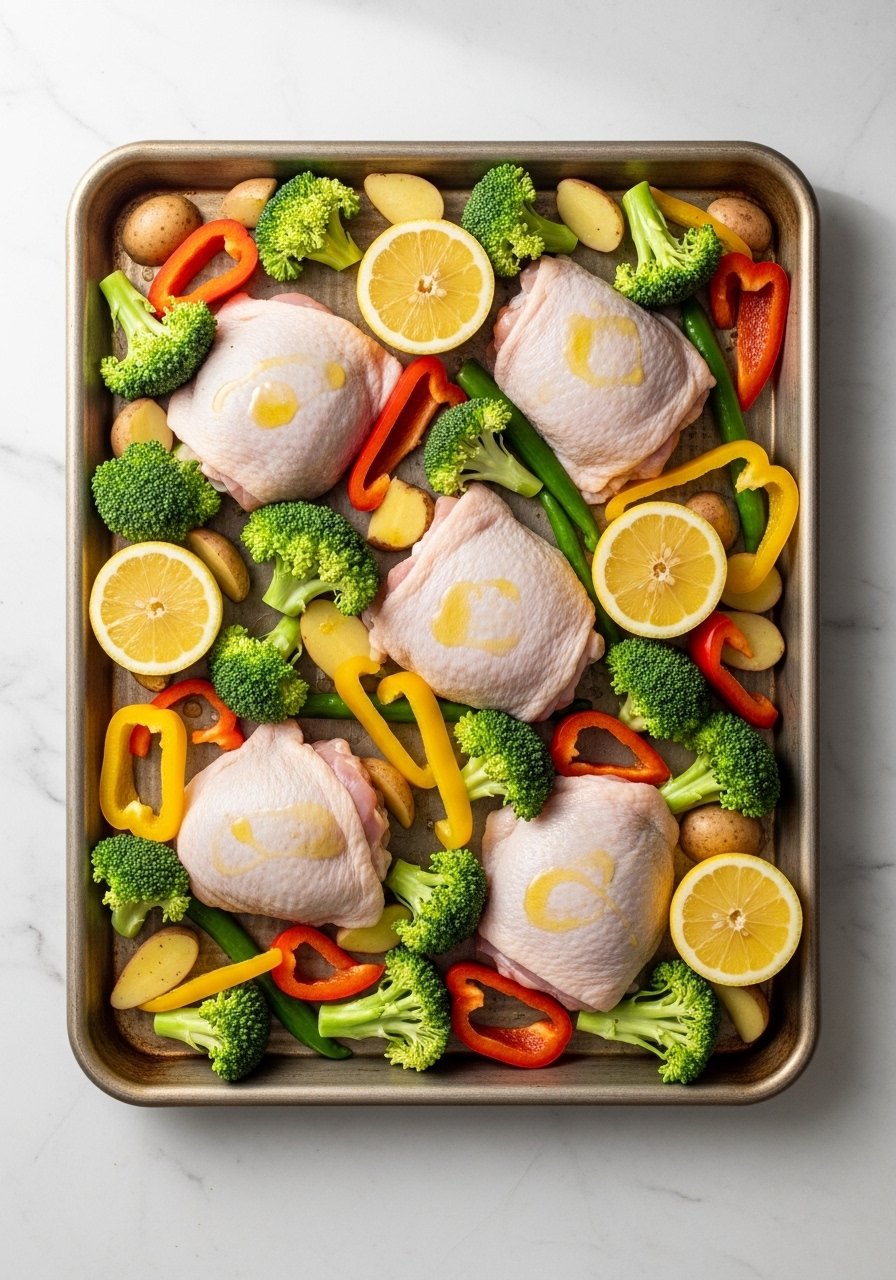
One-pan and sheet pan recipes are the backbone of easy meal prep dinners. They cook protein and veggies at once, save dishes, and scale easily.
- Preheat oven to 425°F for sheet pan fajitas or roasted pork chops.
- Line a rimmed baking sheet with a silicone baking mat for easy cleanup.
- Roast proteins and veggies spaced out for quick browning — 20–25 minutes for chicken and most veggies.
- Transfer proteins to a wire rack for baking sheet briefly so bottoms don’t steam.
If you prefer stovetop, a good non-stick sauté pan and a silicone spatula make quick stir-fries (cashew chicken, teriyaki salmon bowls) fast and tidy.
Getting Perfect Texture and Doneness
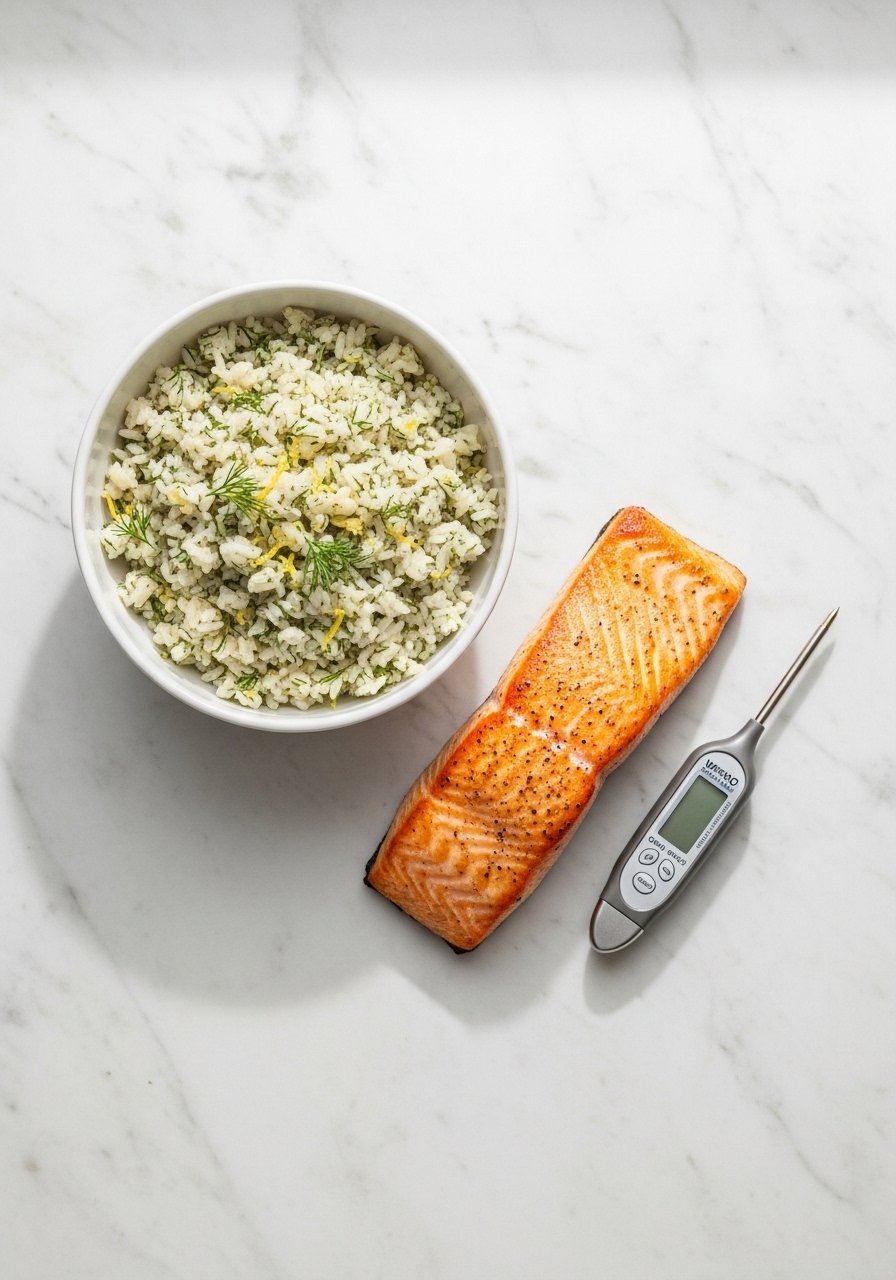
Nothing ruins a prep plan like dry chicken or soggy rice. Here’s how to get consistent results:
- Check chicken with an instant-read thermometer. Aim for 165°F internal temperature.
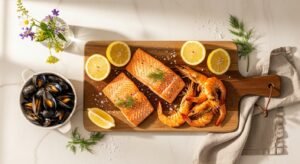
- Broil salmon for a quick char; look for opaque flesh that flakes at 125–135°F depending on your preference.
- For rice bases, cook slightly under (about 90–95% done) if you’ll reheat — it stays firmer when warmed.
- Cool hot foods on a wire rack for 15–20 minutes before sealing. This prevents condensation that leads to sogginess.
Quick fix: if a sauce looks thin, reduce it in a pan for 2–3 minutes or whisk in a spoon of yogurt or coconut milk to thicken.
Finishing Touches, Storage, and Reheating
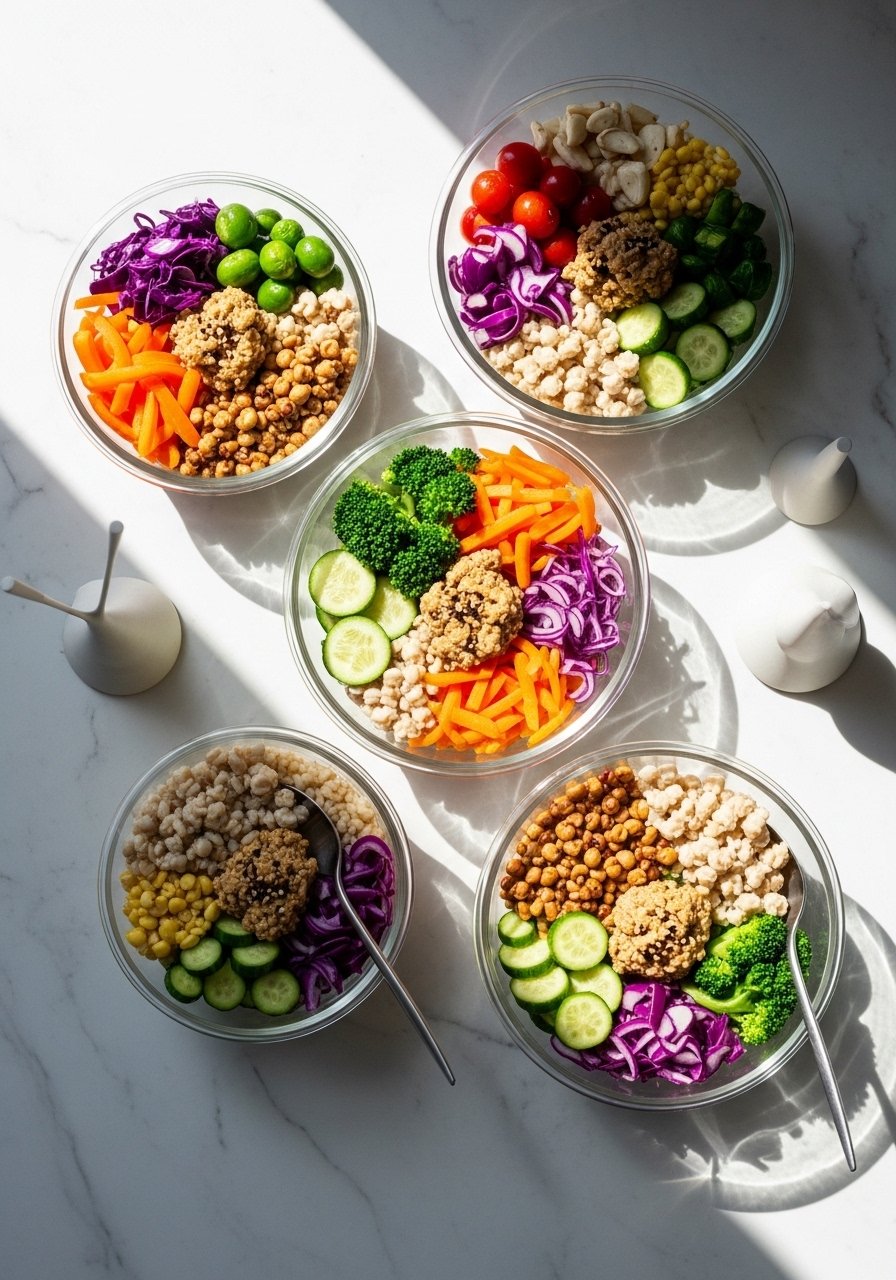
- Portion into airtight glass storage containers for grab-and-go dinners. Store dressings and pickles separately in small glass jars.
- Store refrigerated meals up to 4–5 days. Freeze extras flat in labeled freezer bags for up to 3 months.
- Reheat in the microwave for 1–2 minutes, or rewarm on the stovetop in a non-stick sauté pan for better texture.
- Keep crunchy toppings (nuts, slaws) separate and add before serving. Store liquids in small glass jars or pour-over containers.
Bonus tip: use a silicone baking mat and rimmed baking sheet combo for sheet pan meals that lift and store cleanly.
You’ve got a simple formula now: prep smart, cook one-pan, test doneness, and store right. Save this guide for your next Sunday prep and pin it so friends can copy your system. Ready to try a weekly rotation of Greek chicken bowls and sheet pan fajitas? Which recipe will you make first — a high-protein bowl or a 20-minute sheet pan dinner?