“Healthy dinner” shouldn’t mean bland chicken, sad lettuce, and a side of disappointment. The truth is, healthy food can taste amazing when you know what actually adds flavor (and it’s not complicated).
If you want dinners that feel lighter and satisfying, the trick is balancing a few key pieces: protein, fiber-rich carbs, colorful veggies, and a flavor strategy that makes everything crave-worthy.
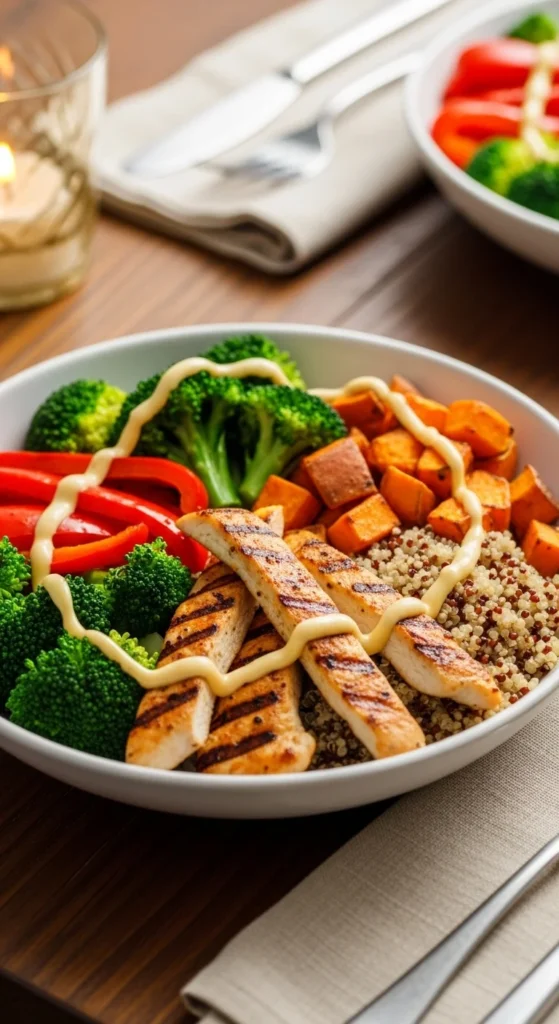
Start With the “Healthy Plate” Formula (It Makes Planning Easy)
When you build dinner using a simple template, you don’t have to guess what’s healthy.
Use this easy formula:
- ½ plate vegetables (cooked or fresh)
- ¼ plate protein (helps you stay full)
- ¼ plate fiber-rich carbs (energy that lasts)
- A little healthy fat (for flavor and satisfaction)
Examples that fit the formula:
- Chicken + roasted veggies + brown rice + tahini-style sauce
- Lentils + sautéed greens + sweet potato + yogurt sauce
- Shrimp + stir-fry vegetables + quinoa + sesame drizzle
Healthy doesn’t mean tiny portions. It means smart balance.
Choose Cooking Methods That Keep Flavor High
A lot of “healthy meals” fail because they’re steamed and under-seasoned. Instead, use methods that naturally boost flavor without needing heavy extras.
Best options:
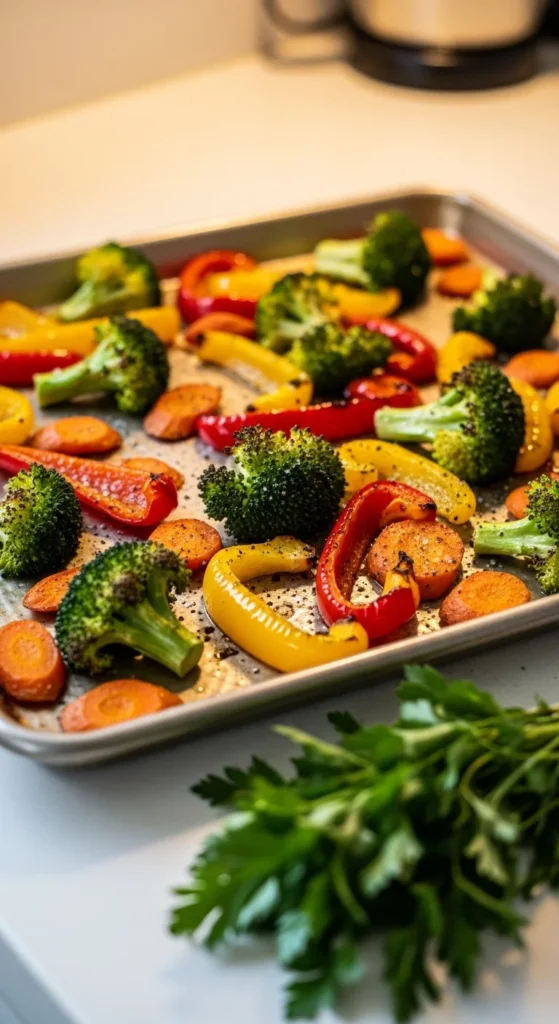
- Roasting: brings out sweetness and crisp edges
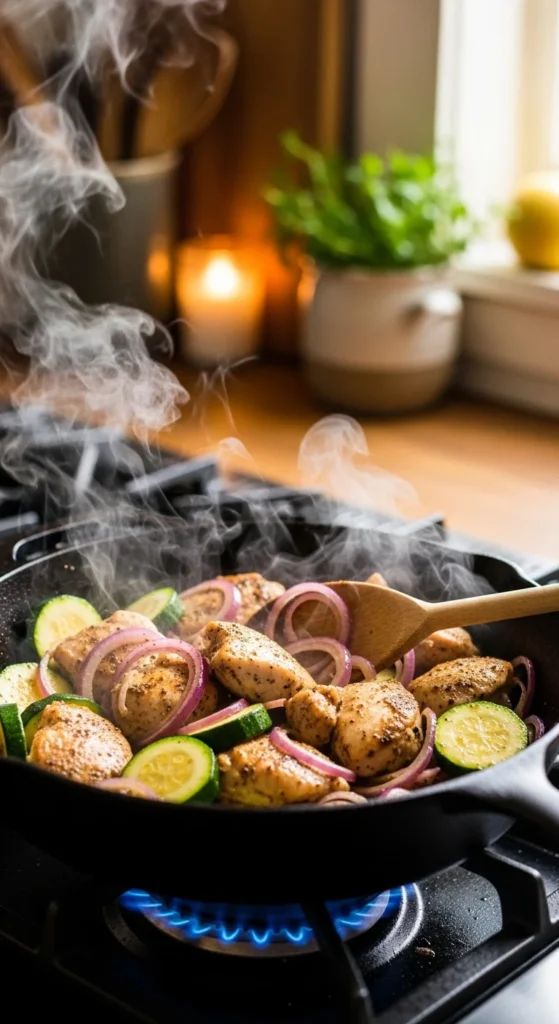
- Sautéing: fast and flavorful with minimal oil
- Grilling or pan-searing: adds a tasty browned finish
- Sheet-pan meals: easy and hands-off
Small tip that changes everything: Don’t crowd the pan. Crowding traps steam, and steam makes food taste dull. Give ingredients space so they brown.
Use “Big Flavor” Ingredients That Are Still Healthy
If you want healthy dinners that taste great, focus on ingredients that do a lot of flavor work.
Flavor boosters to keep stocked
- Garlic and onions
- Fresh lemon or lime
- Ginger
- Vinegar (balsamic-style, apple cider-style, or plain white)
- Soy sauce (adds depth fast)
- Mustard
- Spice blends (Italian-style, taco-style, curry-style)
Fresh finishing touches
- Chopped herbs (cilantro, parsley, basil)
- Green onions
- Toasted seeds or nuts (small amount = big crunch)
- A squeeze of citrus at the end
The goal is to make food taste “restaurant good” with simple upgrades.
Build Your Dinner Around Protein (So It’s Filling)
Healthy dinners feel satisfying when you include enough protein. It also helps prevent snack cravings later.
Easy protein options:
- Chicken, turkey, fish, shrimp
- Eggs
- Beans, lentils, chickpeas
- Greek yogurt (as a sauce base)
- Tofu or tempeh
Beginner-friendly tip: Cook extra protein once, then use it for two dinners:
- Night 1: protein + veggies + rice
- Night 2: protein + salad + wrap
You’ve instantly made your week easier.
Make Veggies the Main Event (Without Making Them Boring)
Vegetables don’t have to be a side dish you tolerate. The key is texture and seasoning.
Try these simple tricks:
- Roast veggies at higher heat for crispy edges
- Toss with spices before cooking (paprika, cumin, garlic powder)
- Add a sauce or drizzle after cooking
- Mix cooked veggies with fresh ones for contrast (warm roasted + crunchy salad)
Easy veggie combos:
- Broccoli + carrots + garlic
- Bell peppers + onions + zucchini
- Spinach + tomatoes + chickpeas
If you’re short on time, frozen veggies work great—just cook them hot enough to avoid sogginess.
Use Sauces That Make Healthy Food Feel Fun
Sauce is where “healthy” becomes “I want this again tomorrow.”
Here are quick, healthy sauce ideas you can make in minutes:
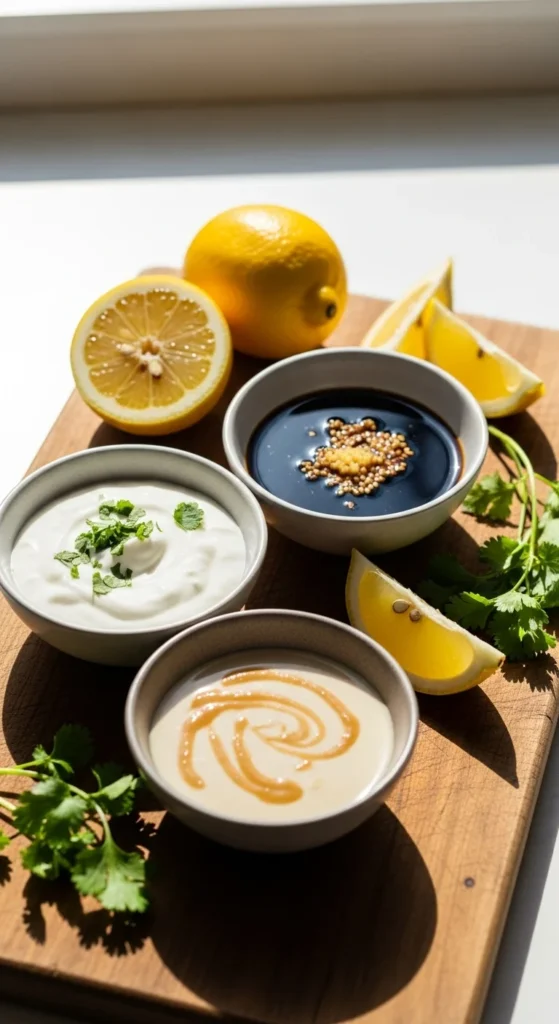
Lemon-yogurt sauce
- Greek yogurt + lemon juice + garlic + salt + pepper
Quick tahini-style drizzle
- Tahini + lemon + water + salt (add garlic if you want)
Soy-ginger sauce
- Soy sauce + honey or sugar + vinegar + grated ginger
Simple salsa bowl topper
- Salsa + a spoon of yogurt + squeeze of lime
Don’t Forget the “Healthy Comfort” Factor
A healthy dinner should still feel cozy and satisfying. If it feels like diet food, it won’t stick.
Add comfort without going overboard:
- Use a small amount of cheese (if you like) for richness
- Add avocado or olive oil drizzle for healthy fat
- Choose carbs that keep you full: brown rice, quinoa, potatoes, whole-grain pasta
- Add crunchy toppings: toasted seeds, chopped nuts, crispy chickpeas
The goal is a meal that feels like a real dinner—not a compromise.
Takeaway
You can absolutely make a healthy dinner that still tastes great—without complicated rules. Use the healthy plate formula, cook with flavor-friendly methods like roasting or searing, and lean on sauces and seasonings to make everything pop.
Save this guide for later, and the next time you want a healthy dinner, you’ll know exactly how to make it delicious. 🥗✨